
Reviewed · MELBOURNE GARDENS AND BOTANIC TOURS
The Explorer – Cranbourne Gardens
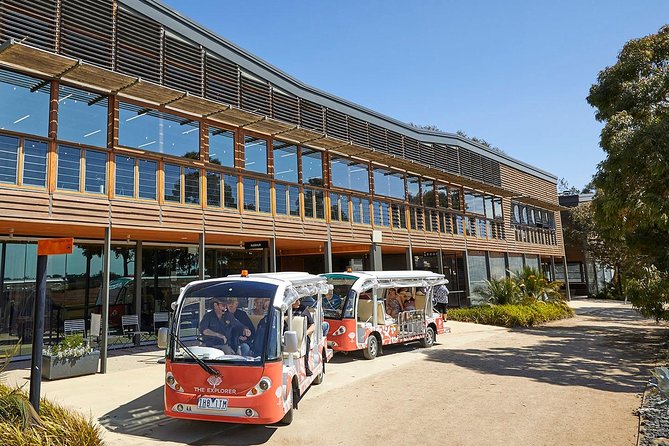
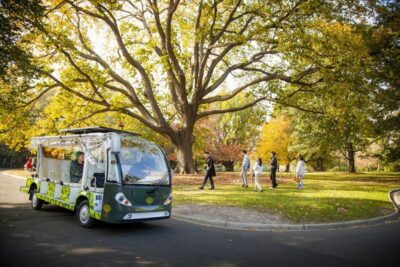
The best thing about The Explorer at Cranbourne Gardens is that it lets you see a huge stretch of the Australian Garden without wearing yourself out. The open-air minibus leaves from the Visitor Centre, follows the east coast section of the garden, and returns through the Peppermint Garden with live commentary along the way.
I like the practical access. A short ride gives families, older visitors, and anyone with limited mobility a much better first look at this 15-hectare garden. I also like the mix of scenery and explanation, from the Red Sand Garden to Ian Potter Lake, rather than a simple shuttle ride.
The main limitation is the short running time. Twenty-five minutes gives you an overview, not a full visit, and the bus cannot replace walking if you want to explore the paths and smaller garden areas closely. The outdoor service also depends on good weather.
Key points to know before you ride
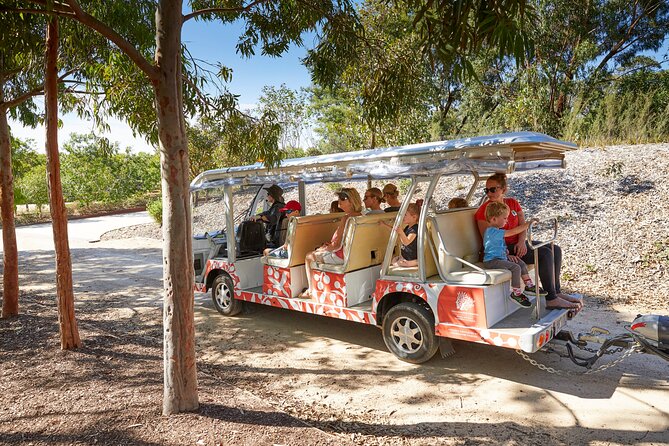
- A 25-minute overview: See major parts of the Australian Garden before deciding where to walk.
- Live commentary: Your driver-guide explains plants, garden design, history, cultural meaning, and nature.
- Red Sand Garden to Peppermint Garden: The route covers several of Cranbourne’s most distinctive areas.
- Helpful for limited mobility: The ride cuts down the distance and effort needed to see the gardens.
- Family-friendly option: Children ride free on the Kids Explorer Bus during school holidays, subject to booking conditions.
- Small group size: The minibus holds a maximum of 25 people, keeping the ride relatively personal.
Why The Explorer is useful at Cranbourne
Royal Botanic Gardens Cranbourne is not a compact city park where you can see everything in half an hour. The Australian Garden covers about 15 hectares, with winding paths, water features, garden rooms, dry plantings, and broad areas designed to show Australian plant communities.
That scale is the reason to take The Explorer. You get a quick sense of how the garden is arranged, then you can choose which sections deserve more of your time. If you are visiting on the way to Phillip Island, this is especially useful. You can enjoy the main sights without spending your whole day walking.
I see the ride as an orientation, not the complete Cranbourne experience. The bus shows you the big picture and adds context. Afterward, you can return to a favourite section on foot, use the level walking paths, stop at the cafe, or simply leave knowing you have seen the essential areas.
The open-air design keeps you connected to the plants and sky. It is more pleasant than being sealed inside a coach, though it also means you should plan around the weather. The service can be cancelled in poor conditions, with a choice of another date or a full refund.
More gardens and botanic tours in Mornington Peninsula:
- Aboriginal Heritage Walk – Royal Botanic Gardens Victoria, Melbourne Gardens
★ 5.0 · 314 reviews - The Explorer – Melbourne Gardens
★ 5.0 · 224 reviews - Melbourne: 1-Hour Gardens and Sporting Precinct River Cruise
★ 4.1 · 196 reviews
Starting at the Visitor Centre
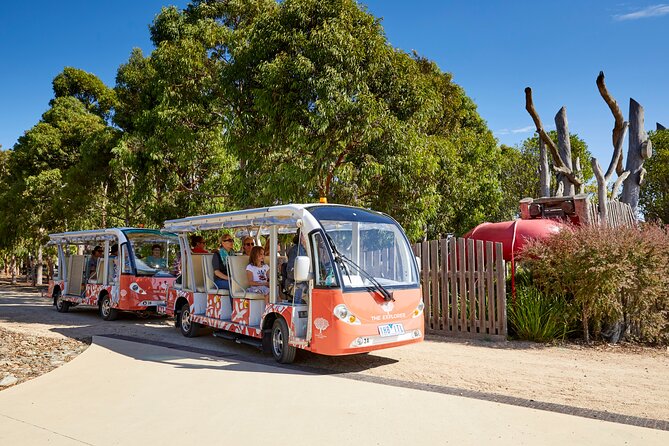
Your ticket redemption point is Royal Botanic Gardens Cranbourne at Ballarto Road and Botanic Drive, Cranbourne VIC 3977. The Explorer departs from the Visitor Centre, which makes it easy to build the ride into a first visit.
I suggest taking the bus early in your visit. You will hear how the different sections relate to one another, then you can decide where to spend your walking time. If you walk first, you may cover only a small corner before the size of the garden becomes clear.
The bus is limited to 25 people. That is small enough for the commentary to feel useful rather than lost in a large crowd, but busy periods can still fill seats. School holidays may bring extra families, especially when the Kids Explorer Bus is operating.
The ride includes a driver-guide, live commentary, and a professional guide service. One particularly well-liked driver named Peter was praised for his plant knowledge, humour, and friendly manner. Guides can vary, so treat Peter’s presence as a possibility rather than a guarantee.
Red Sand Garden: a strong first impression
The route begins around the Red Sand Garden, one of the most memorable features on the circuit. Its colour immediately sets it apart from a standard green botanical garden and gives the ride a clear sense of place.
This is a good section for a short introduction to Australian soils and plant life. The red earth helps explain why the Australian Garden looks different from many formal gardens in Europe or North America. You are not just passing flower beds. You are seeing plants arranged with the country’s dry conditions and natural settings in mind.
The bus gives you a broad view, but you will not study every planting from your seat. If you have a particular interest in native plants or garden design, note this area and return on foot. The ride tells you where the important features are; walking lets you inspect them.
Along the east coast section of the Australian Garden
From the Red Sand Garden, The Explorer travels along the east coast portion of the Australian Garden. The route uses planting and design to represent different parts of Australia, giving the commentary room to discuss native flora and the way the gardens interpret natural places.
This section is valuable for keen gardeners. You can compare the forms, textures, and planting styles used across the garden without needing to read every sign. The guide’s spoken explanation also adds stories about the garden’s history, cultural significance, and plant life.
You should expect the ride to move at a steady pace. If you want close photographs of individual flowers or plant labels, walking will serve you better. From the bus, focus on the shape of each garden, the wider planting patterns, and the way one area leads into the next.
The commentary is one of the main reasons to pay for the ride rather than simply walk beside the route. A simple shuttle would save your legs but tell you little. Here, the driver interprets what you are seeing and helps the garden feel more connected.
More Mornington Peninsula trips:
- Full-Day Penguins and Wildlife Nature Experience from Melbourne
★ 5.0 · 150 reviews - Peninsula Hot Springs Spa Experience and Express Transfer Shuttle
★ 5.0 · 131 reviews - Mornington Peninsula Small Group Thermal Springs w/ Lunch & Wine
★ 5.0 · 69 reviews - Peninsula Hot Springs and Beach Boxes Day Trip from Melbourne
★ 4.5 · 64 reviews
Howson Hill and the wider views
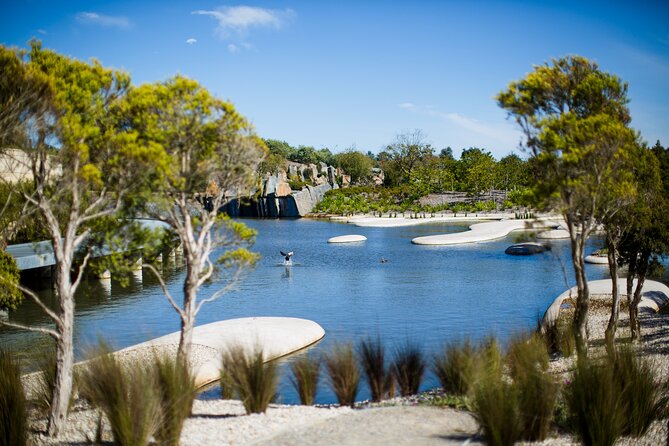
Howson Hill adds a change in height and gives the route a broader viewpoint. It helps you understand the garden as a planned series of spaces rather than a collection of unrelated beds.
The benefit here is orientation. From a higher point, you can take in more of the surrounding design and remember where certain sections sit. If you are deciding where to walk later, this kind of overview saves time.
The ride is also a sensible choice for anyone who cannot manage long distances or steep changes in ground level. A visitor with mobility issues may otherwise see only the area close to the entrance. The Explorer opens up more of Cranbourne without demanding a full walking circuit.
The trade-off is that a viewpoint from a moving vehicle is brief. You may want to return to Howson Hill if the view catches your eye. Think of the ride as a preview that helps you spend your energy wisely.
Ian Potter Lake and the water features
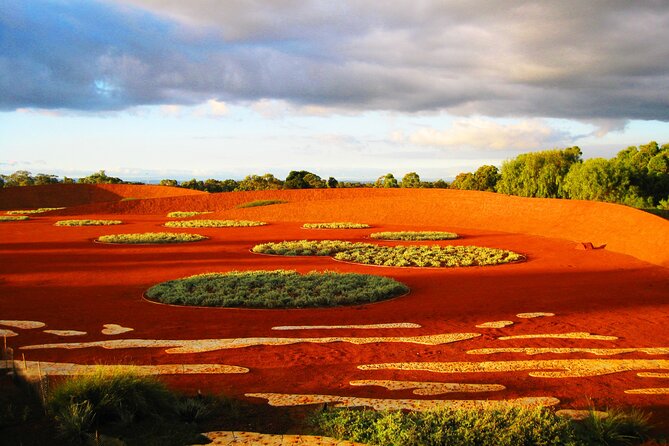
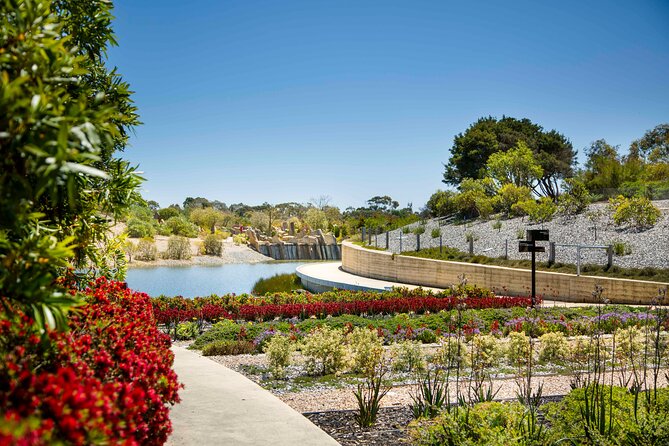
Ian Potter Lake brings water into a garden better known for native Australian planting and dry conditions. It gives the route a different mood and shows how water can shape a garden’s appearance and movement.
Water features are easy to rush past when you are trying to cover a large site on foot. From the bus, you get a planned pass through the area and a chance to hear how it fits into the wider garden. The combination of water, paths, and planting also gives photographers something different from the red soil and arid sections.
Do not expect a long stop dedicated only to the lake. The Explorer is a circuit, and its purpose is to keep moving through the garden. If Ian Potter Lake becomes your favourite area, make it one of your walking stops after the ride.
The Arid Garden and Dry River Bed
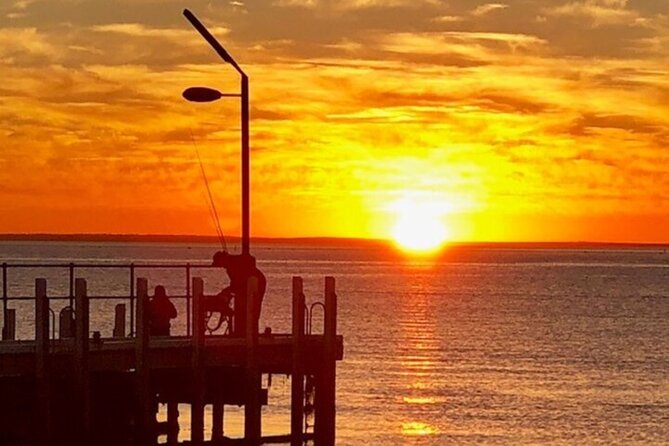
The Arid Garden is one of the clearest expressions of Australian plant life under dry conditions. It is a useful stop for understanding how plants can be arranged around low-water environments without losing visual interest.
The Dry River Bed continues that idea. Even without flowing water, a river bed can show how land is shaped and how plants fit along its edges. The route lets you see these features as part of a larger natural story, rather than as isolated decorations.
These sections may appeal most to gardeners who want ideas for drought-tolerant planting. The commentary can help you notice why certain plants are grouped together and how the garden uses stone, soil, and open space. You will get more from this part if you listen closely instead of treating it as a sightseeing loop.
The bus also keeps you cool compared with a long walk on a warm day. That is a real advantage. Cranbourne is large, and heat can turn a pleasant outing into hard work, especially for children or older people.
Returning through the Peppermint Garden
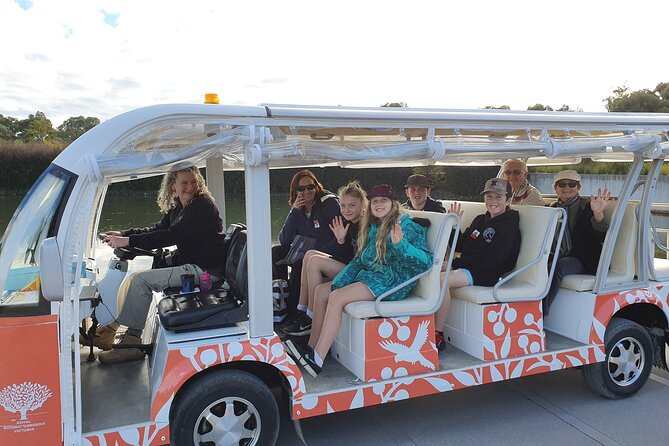
The route winds back through the Peppermint Garden, giving the circuit a different finish from its opening around the Red Sand Garden. The return journey helps tie the sections together and gives you one more chance to listen for plant details you missed earlier.
I like this return route because it prevents the ride from feeling like a straight out-and-back transfer. You see more of the Australian Garden, and the changing plantings keep the twenty-five minutes moving.
Still, the ride is short enough that you should not expect a stop at every point. The experience is designed to show you the key areas while the driver explains what makes them important. Use the notes you make in your head to plan your own exploration afterward.
What the commentary adds
The driver’s live talk covers garden history, plant stories, cultural significance, and nature interpretation. That range matters because Cranbourne is not only a place to look at plants. It is also a designed presentation of Australian environments and ideas about the country’s native flora.
A good guide can turn a passing view into something you remember. The positive experience associated with driver Peter included humour as well as strong plant and garden knowledge. Another family-focused response praised the entertaining commentary because it kept children interested during the ride.
The quality of a live tour can vary with the guide on duty. That is not a reason to skip it, but it is worth keeping expectations sensible. You are booking a short interpretive ride, not a private botany lesson.
If you are a keen gardener, have a few questions ready. The ride is brief, so ask at a suitable moment rather than waiting until the last minute. If you prefer quiet sightseeing, remember that the commentary is a central part of the experience.
Who gets the best value
The Explorer works particularly well for four types of visitors:
- Families who want to cover more ground without making young children walk the full distance.
- Older visitors or people with mobility issues who still want to see the wider garden.
- First-time visitors who need a quick orientation before choosing their walking route.
- Garden lovers who want an introduction to native Australian plants and garden design.
It can also suit anyone visiting Cranbourne on a tight schedule. At about 25 minutes, the ride fits into a half-day plan and may leave time for the cafe and a short walk.
You may find less value if you already know the gardens well or want a slow, self-guided visit. The bus passes features that you might prefer to study at your own pace. In that case, walking first may suit you better, with The Explorer serving as an optional overview.
The ride is not a substitute for all the garden’s paths. It is a way to see more before deciding how much walking you want to do.
Price, timing, and practical value
The listed price is $10.76 per person. For that amount, you receive a guided ride through a large garden, live commentary, and the chance to save time and energy. I consider that fair value if you plan to see several areas and do not want to cover the full distance on foot.
The value is stronger for a family with mixed abilities. One person can enjoy the garden without being left behind, and children can stay engaged while the bus moves between the major sections. During school holidays, children ride free on the Kids Explorer Bus, but check the booking details carefully. A booking issue has occurred where a child was charged despite the school-holiday offer, so confirm the correct fare before paying.
Hotel pickup and drop-off are not included. You need to make your own way to Cranbourne, and transportation to and from the attraction is also separate. The experience is therefore best for people who already have a plan for reaching the gardens.
Free cancellation is available if you cancel at least 24 hours before the start time. Changes or cancellations inside that window are not refunded, and poor weather may lead to a new date or a full refund.
Is The Explorer worth booking?
Book it if you want a quick, guided look at a large garden, especially if you are visiting with children, have limited mobility, or are fitting Cranbourne into a busy day. The route covers the Red Sand Garden, Howson Hill, Ian Potter Lake, the Arid Garden, Dry River Bed, and Peppermint Garden, giving you a useful picture of the site.
Skip it if your main goal is slow photography, close plant study, or a quiet walk without commentary. For most first-time visitors, though, the ride is a sensible $10.76 orientation. Take The Explorer first, then use your remaining time to walk the sections that caught your attention.
FAQ
How long does The Explorer at Cranbourne Gardens take?
The ride lasts approximately 25 minutes.
Where does The Explorer depart from?
It departs from the Visitor Centre at Royal Botanic Gardens Cranbourne.
What is the meeting point?
The ticket redemption point is Royal Botanic Gardens Cranbourne, Ballarto Road and Botanic Drive, Cranbourne VIC 3977, Australia.
What is included in the ticket?
The ticket includes a driver-guide, live commentary on board, and a professional guide.
Is transportation to Cranbourne included?
No. Hotel pickup and drop-off are not included, and transportation to and from the attraction is separate.
How many people can join the tour?
The experience has a maximum group size of 25 people.
Is The Explorer suitable for people with mobility issues?
Yes. The bus helps visitors with mobility issues see more of the large garden without walking the full distance.
Do children ride free?
Children ride free on the Kids Explorer Bus during school holidays. Check the fare details carefully when booking, as child charges may appear incorrectly.
What happens if the weather is poor?
The experience requires good weather. If it is cancelled because of poor weather, you will be offered another date or a full refund.
Can I cancel for a full refund?
Yes, if you cancel at least 24 hours before the experience start time. Cancellations made less than 24 hours in advance are not refunded.
Recently added around Mornington Peninsula
- Port Phillip Bay Snorkeling with Sea Dragons★ 5.0 · 3 reviews
- Small Group: Ultimate Mornington Peninsula Food and Wine Day★ 5.0 · 9 reviews
- Self-Guided Point Nepean National Park Bike Hire★ 4.5 · 5 reviews
- From Melbourne: Hop On Hop Off Mornington Peninsula★ 5.0 · 30 reviews
- Mornington Peninsula Coastal Discovery Tour from Melbourne★ 5.0 · 4 reviews
- Ultimate Peninsula Adventure: Stand Up Paddle, Hot Springs, Hike, Lunch & Winery★ 5.0 · 18 reviews
- Mornington Peninsula Day Tour. Your Day Your Way. Your group only★ 5.0 · 34 reviews
- Mornington Peninsula Boutique Wine and Lunch Small Group Tour★ 5.0 · 22 reviews
Melbourne Gardens and Botanic Tours, compared.
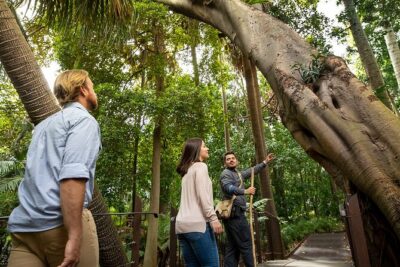
Aboriginal Heritage Walk – Royal Botanic Gardens Victoria, Melbourne Gardens
Read our review →

1-Hour Gardens and Sporting Precinct River Cruise
Read our review →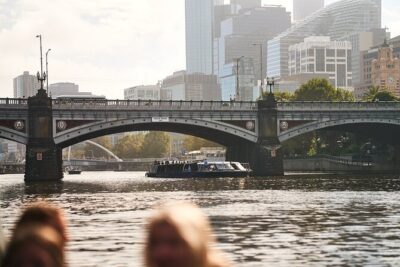
Browse the lists this tour appears in