Reviewed · GUIDED
Shrine of Remembrance Cultural Guided Tour in Melbourne
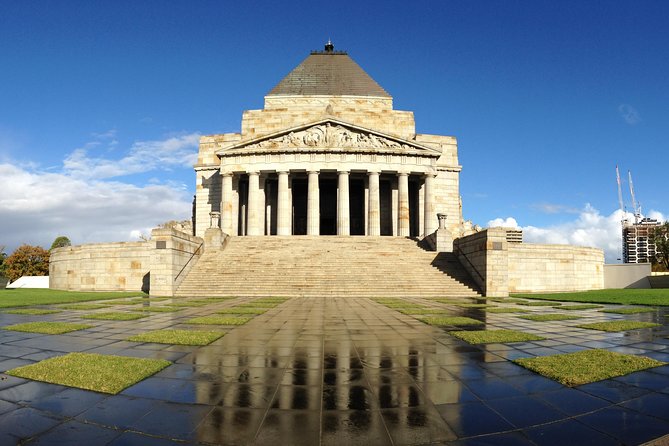
The most moving part of this Shrine of Remembrance tour is the way a short visit turns a grand monument into a place of individual stories. You’ll pass through the bronze doors into the Sanctuary, see the Ray of Light activation, visit the Crypt, and hear why the building looks and feels the way it does. Guides such as Karl, Michael, Janelle, and Daniel explain the details that are easy to miss on your own.
I like the personal side of the storytelling, including family connections shared by some guides. I also like the value: about $14.72 for 45 minutes, with a professional guide, a 10% Gift Shop discount, and access to parts of the Shrine you might otherwise simply walk past. The main caution is the stairs and moderate walking, so anyone with mobility needs should confirm arrangements directly with the Shrine before booking.
Key points to know before you book
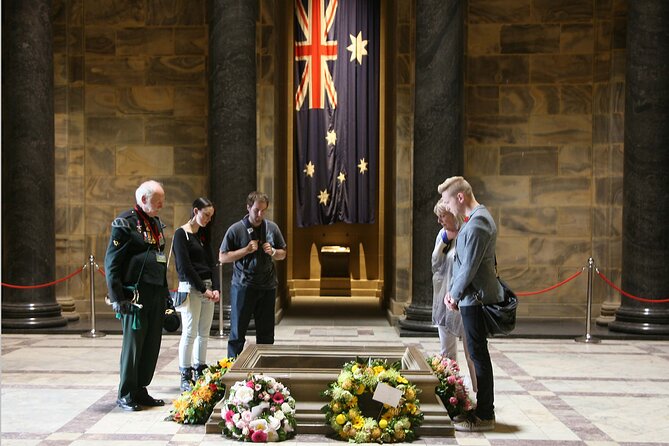
- The Ray of Light is the tour’s most memorable moment: Enter the Sanctuary through the grand bronze doors and see this carefully timed memorial feature.
- You reach several areas in 45 minutes: The route includes the architecture, Sanctuary, balcony, Crypt, galleries, and memorial details.
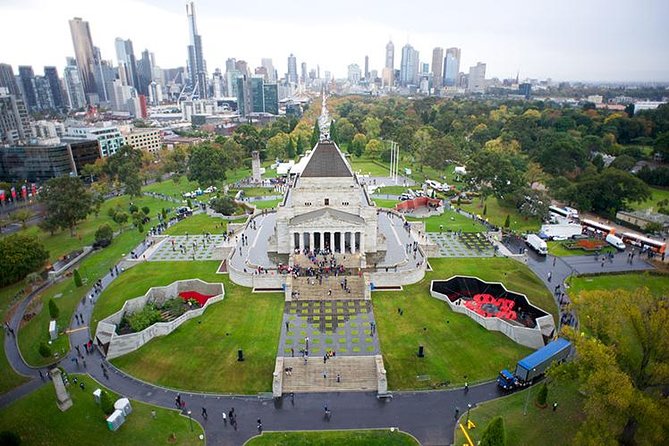
- The balcony gives you Melbourne in one frame: Look over the memorial gardens, city, and surrounding area.
- Personal stories make the history easier to connect with: Guides explain the people and events behind the building, not only its dates and design.
- Expect stairs and respectful surroundings: Wear comfortable walking shoes and remove your hat inside the Sanctuary.
- The small group size helps: Tours are limited to 25 people, so it is easier to hear the guide than on a large coach excursion.
Why the Shrine is worth your time in Melbourne
The Shrine of Remembrance is not just a large stone monument on a hill. It honours Australian service and sacrifice in wars, peacemaking, and peacekeeping, while also giving you a quiet place to think about the human cost behind those broad terms.
You can visit independently, but the building is full of symbols, inscriptions, statues, and design choices that are not obvious at first glance. A guide gives those details a place in the story. Instead of seeing only steps, columns, and stone, you learn why those features matter and how the Shrine was shaped after the First World War.
That distinction matters most if your Melbourne schedule is tight. The tour lasts about 45 minutes, so it does not swallow half a day. You get a focused introduction, then you can stay on to examine the exhibitions and memorial material at your own speed.
The setting also helps. The Shrine sits near Melbourne’s centre, with views across the gardens and city. It is close enough to reach by public transport, and the walk from the station is manageable according to the practical information provided for the experience. You will need to make your own way there, since hotel pickup, drop-off, and transport are not included.
A few more Melbourne trips worth a look
- Great Ocean Road Tour w/ Deluxe Minibus & Top-Rated Guide
★ 4.8 · 2,644 reviews - Melbourne: Melbourne Cricket Grounds (MCG) Guided Tour
★ 4.7 · 812 reviews - From Melbourne: Great Ocean Road Full-Day Guided Trip
★ 4.8 · 652 reviews
Meeting your guide at the Visitor Centre
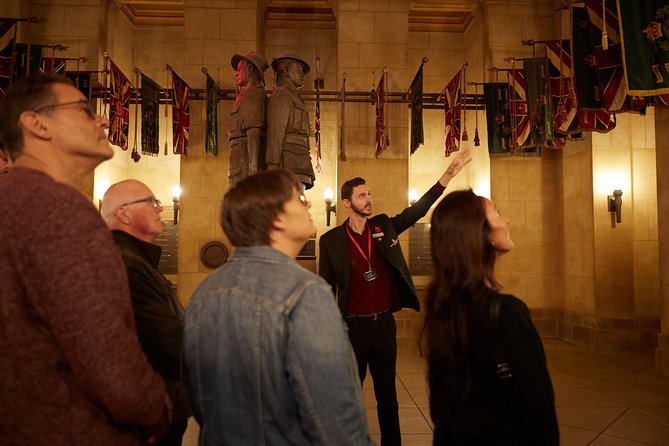
Your tour begins and ends at the Shrine Visitor Centre information desk. Arrive at your nominated time and look for the guide there rather than waiting outside the main monument without direction.
The group can include up to 25 people. That is not a private tour, but it is still a more useful size than a large bus group. You should be able to follow the guide’s explanations and ask a question when the group pauses. Tours reported with guides including Daniel, Karl, Michael, and Janelle were especially praised for clear, respectful, and engaging delivery.
The tone is important here. This is a memorial, not a loud sightseeing attraction. Dress comfortably but respectfully. In warm weather, bring a hat for the exterior parts of the route, but remove it when you enter the Sanctuary. Walking shoes are a sensible choice because the tour includes stairs and a moderate amount of walking.
Looking closely at the Shrine’s architecture
The first part of the tour explains the building itself. Your guide points out its architectural features, statues, inscriptions, and design, then connects them to the memorial’s purpose.
This is where a guided visit earns its modest fee. On your own, you may notice the size and symmetry of the building, but miss the meaning packed into its small details. The guide can show you where to look and explain how the design was intended to shape the way people move, pause, and remember.
The experience works best if you are willing to slow down. You are not racing from one photo stop to another. A phrase carved into stone or a carefully placed statue can carry as much weight as the main chamber. One guide described the Shrine as a small building with a great deal contained within it, which is a good way to approach the visit.
The historical focus includes Australian service and sacrifice, with particular attention to the ANZAC story and the First World War. The tour does not treat those subjects as distant military facts. It brings them back to the people commemorated here.
Entering the Sanctuary and seeing the Ray of Light
The Sanctuary is the emotional centre of the tour. You enter through the grand bronze doors, and the guide explains the meaning of the space before directing your attention to the Ray of Light activation.
This is a quiet moment, and the setting asks for respect. Remove your hat, keep your voice low, and give yourself time to look rather than treating the room as another quick photo stop. The effect depends on the architecture, the light, and the pause created by the guide’s explanation.
The Ray of Light is a small but powerful detail. It gives the Sanctuary a sense of ceremony and helps show how the building was designed to focus attention. Without guidance, you might see the feature and move on. With context, it becomes part of the larger idea of remembrance.
Some of the strongest moments can come when the history becomes personal. A guide may share a family connection or explain how an individual’s service shaped a family. One tour guide spoke about her father and his past, adding a human note without turning the memorial into a personal performance.
A completely different way to spend the day:
- Great Ocean Road Small-Group Eco Tour from Melbourne
★ 5.0 · 6,607 reviews - From Melbourne: Great Ocean Road, 12 Apostles, Wildlife Tour
★ 4.7 · 6,020 reviews - Laid back, Yarra Valley Wine Tour: Wine, Cider, Gin, Beer + Choc
★ 5.0 · 4,552 reviews - Great Ocean Road Reverse Itinerary Boutique Tour – Max 11 Guests
★ 5.0 · 4,186 reviews
Taking in the balcony views over Melbourne
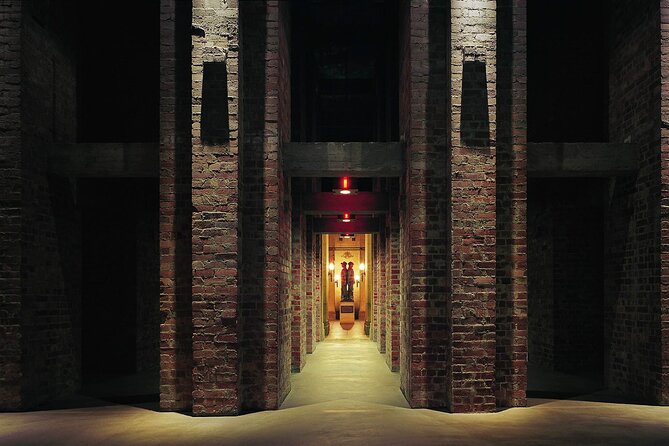
The balcony provides a change of pace. After the solemnity of the Sanctuary, you look out over the memorial gardens, Melbourne, and the surrounding area.
This is one of the tour’s practical pleasures. You get a clear sense of where the Shrine sits in relation to the city, while the gardens below give you a calm setting for photographs and quiet reflection. The view is not a separate sightseeing excursion, but it adds useful context to the visit.
Your guide may also use the balcony to help connect the Shrine with Melbourne’s wider civic setting. The stop is brief, yet it gives the tour some air and prevents the visit from feeling like a series of enclosed rooms.
Remember that this part of the route can include exterior walking. A hat and comfortable shoes are useful in warmer months. If the day is hot, cold, or wet, dress with the outdoor portion in mind.
The Crypt and its compact record of service

The Crypt is another highlight because it is smaller and more intimate than the main memorial spaces. Your guide explains the years of history contained within this compact room and helps you understand how it fits into the wider purpose of the Shrine.
The name can suggest a dark or inaccessible place, but the value here is the concentrated sense of memory. The room gathers layers of service and commemoration into a space where the guide can tell a more focused story.
This is also a good place to listen closely. The main monument can feel grand and formal. The Crypt brings the scale back down to individual lives and military units. If you are interested in Australian military history, this section gives the tour much of its substance.
The Crypt may not suit anyone who dislikes stairs or prolonged standing. The tour includes a large number of stairs overall, so consider your physical comfort before booking.
Galleries, personal stories, and the Books of Remembrance
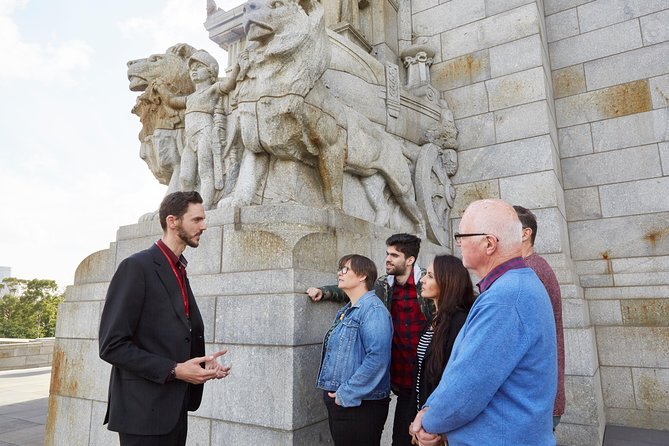
The gallery portion adds more detail after the main architectural tour. You learn about personal histories and see material that connects national events with individual service.
One especially meaningful feature is the Books of Remembrance. They are kept in 42 bronze caskets and include the names of Australian soldiers. The books were completed between 1931 and 1934 by nine calligraphers, seven men and two women.
That detail gives the memorial a very human scale. You may be able to find the name of a family member, as one visitor did with a grandfather who served in the First World War. The experience became especially personal because the visit was shared with an 11-year-old grandson, decades after an earlier tour with a grandmother.
You should allow extra time after the guided portion if you want to examine the galleries properly. The 45-minute tour gives you an introduction, but it cannot explain every display in detail. The best plan is to use the guide for context, then stay on to look more carefully.
How the guides shape the experience
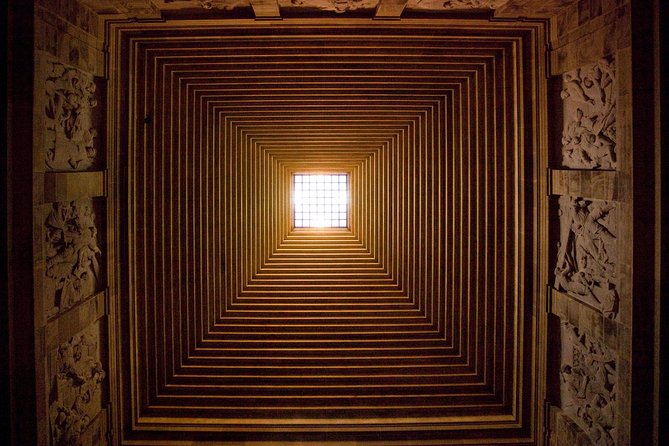
The quality of a memorial tour depends heavily on the person holding the group’s attention. Here, the guide is not simply pointing out rooms. The strongest presentations combine architectural explanation, military history, and personal detail.
Daniel was praised for explaining how a small building could contain so much physical and historical meaning. Janelle was noted for an informative and entertaining account of the Shrine. Michael took time to explain different spaces and the history of Australian armed forces. Karl was described as clear, prepared, and able to bring the building to life.
Those names do not guarantee who will lead your tour, but they show the style you can expect: clear narration, compassion, and a strong grasp of the subject. The tone is educational rather than theatrical, which suits the building.
The only clear language issue in the supplied feedback came from a French-speaking visitor who found the English tour difficult and wished for translation tablets. No translation device is listed as part of the experience, so you should be comfortable following a live English explanation.
Is $14.72 good value for 45 minutes?
At about $14.72 per person, this is a low-cost guided activity by Melbourne standards. The price covers the professional guide, taxes, fees, and handling charges. You also receive a 10% discount at the Shrine Gift Shop.
The main value is not the length. Forty-five minutes is short, but it is tightly focused. You see several key spaces and receive the background needed to understand them. If you visited alone, you could still appreciate the building, but you might not notice the design details or know how the spaces connect.
The tour is particularly good value if you are already planning to visit the Shrine. You are paying a small amount for structure and interpretation, not for transport or an all-day package. If you want an extensive military museum visit, you will need extra time beyond the tour and should not expect every gallery item to be covered.
The Gift Shop discount is a useful extra, but it should not determine your decision. Book the tour for the guide and access to the building’s story, then treat the discount as a bonus.
Practical limits, mobility, and booking terms
The Shrine is near public transport, but no transport to or from the attraction is included. You meet at the Visitor Centre and return there at the end. Coffee, snacks, and non-alcoholic drinks are also not included, though they are available for purchase.
Children must be accompanied by an adult. Service animals are allowed. The tour requires moderate physical fitness, with a considerable amount of walking and many stairs.
Take accessibility seriously before you reserve. The information supplied for this experience says there is no accessible tour, even though Shrine staff previously adapted a standard tour for a wheelchair user and an older person with mobility issues. That accommodation was handled directly at the venue, so contact the Shrine before booking if anyone in your party has limited mobility. Do not assume an accessible version is available simply because a booking page suggests it.
Free cancellation is available if you cancel at least 24 hours before the start time. Cancellations made later, or changes made within that period, are not accepted for a refund. The Shrine is closed on Good Friday and Christmas Day.
Who should book this Shrine tour?
I would choose this tour if you want a concise, well-explained introduction to one of Melbourne’s major memorials. It suits first-time visitors, families with older children, people interested in ANZAC history, and anyone who prefers to understand a building rather than simply photograph it.
It is also a good fit if you have a family connection to Australian military service. The Books of Remembrance and the personal stories shared by guides can make the visit especially meaningful.
You may want to skip the guided option if you strongly prefer exploring alone, need a fully accessible route, or do not have enough time for stairs and standing. Non-English speakers should also confirm whether they can follow the English narration comfortably.
Should you book it?
Yes, if the $14.72 price fits your budget and you can manage the walking. The tour makes a short visit more useful by explaining the Shrine’s architecture, the Ray of Light, the Crypt, the galleries, and the stories behind the names and spaces.
Book directly with the Shrine if you need concession pricing, companion arrangements, or mobility support. For everyone else, this is an efficient and respectful way to understand a major Melbourne memorial, with enough time left afterward to explore the exhibitions and gardens at your own pace.
FAQ
How long does the Shrine of Remembrance guided tour last?
The tour lasts approximately 45 minutes.
Where does the tour begin and end?
You meet your guide at the Shrine Visitor Centre information desk at your nominated time. The tour ends back at the Visitor Centre.
What does the tour include?
The tour includes a professional guide, explanations of the Shrine’s architecture and history, the Sanctuary and Ray of Light activation, balcony views, the Crypt, and the galleries.
Is transportation included?
No. Hotel pickup, hotel drop-off, and transportation to and from the Shrine are not included.
How much does the tour cost?
The listed price is $14.72 per person.
Can children join the tour?
Yes. Children can join, but they must be accompanied by an adult.
Are there many stairs?
Yes. The tour includes a moderate amount of walking and a large number of stairs. A moderate level of physical fitness is recommended.
What should I wear?
Wear comfortable, respectful clothing and walking shoes. A hat is useful during warmer months for the exterior sections, but hats should be removed inside the Sanctuary.
Recently added around Melbourne
- Melbourne: Private Yarra Valley Winery Lunch by Helicopter★ 5.0 · 10 reviews
- Yarra Valley: Bus Wine Tour with Lunch and a Glass of Wine★ 5.0 · 4 reviews
- Yarra Valley Guided Bike Tour | Food & Wine Region★ 5.0 · 19 reviews
- Werribee Mansion & Sovereign Hill Tour★ 3.7 · 3 reviews
- Yarra Valley Foodie Tour, Devonshire Tea, Cheese and Chocolate★ 5.0 · 10 reviews
- Yarra River Half-Day Rafting Experience★ 5.0 · 21 reviews
- From Phillip Island: Wine and Wildlife Tour with Penguin Parade★ 5.0 · 34 reviews
- Whitewater Sports rafting on the Yarra river★ 4.5 · 5 reviews
Guided, compared.
Great Ocean Road Tour w/ Deluxe Minibus & Top-Rated Guide
Read our review →

Phillip Island Penguin Parade with Expert Local Guide
Read our review →