
Reviewed · CITY TOURS
Private City Kickstart Tour: Melbourne
Melbourne’s city center packs a lot into a small area, and this private walking tour gives you a quick read on it all. In about 90 minutes, you move from Federation Square and Flinders Street Station through laneways, arcades, Chinatown, and Parliament House, with a local guide explaining what you are seeing.
I like the private format, since you can ask questions and set the pace with your own guide. I also like the useful orientation: you get a first look at major sights, plus practical advice for finding your way around afterward. A possible drawback is the brisk schedule. Ten listed stops make this more of a city introduction than a deep visit to any one place.
Key points to know
- Private guide: Only your group and a local guide take part.
- Fast city orientation: The tour lasts about 1 hour and 30 minutes and returns to Federation Square.
- Strong central route: The walk links Federation Square, Flinders Street Station, Melbourne’s laneways, arcades, Chinatown, and Parliament House.
- Good local context: You hear stories about Melbourne’s past, culture, and current changes.
- No admission costs: The listed stops are free to enter, though the tour does not include hotel pickup or drop-off.
- Accessibility needs attention: A mobility scooter user may have difficulty keeping up because of steps and missing curb cuts along parts of the route.
A quick first look at Melbourne’s city center
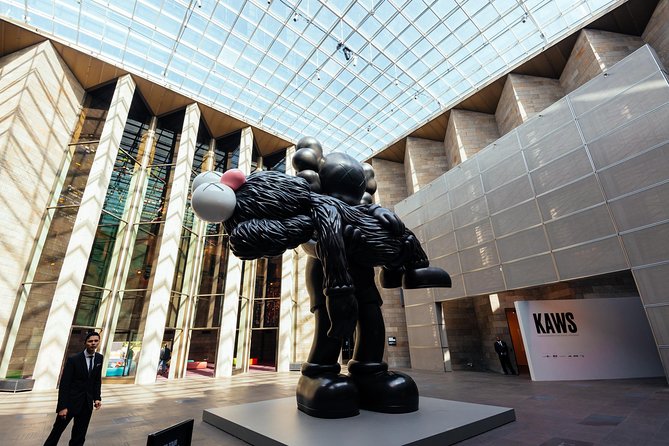
This tour is built for the first day of a Melbourne visit. It does not try to take you across the entire city. Instead, it keeps to the central area, where grand civic buildings, shopping arcades, street art, music lore, and immigrant history sit within a compact walking route.
That makes the experience useful if you want to stop feeling like a newcomer quickly. You will know where the main meeting points are, how the central streets connect, and which areas deserve a longer return visit.
The guide supplies more than dates and building names. You can ask about local customs, places to eat, current changes in the city, and how to use the rest of your time. One guide named for this experience is Ben, who explains Melbourne’s history, culture, and recent developments in a way that helps you move around with more confidence afterward.
The pace is the main tradeoff. The supplied route lists ten stops with 15 minutes at each, yet the total tour time is about 90 minutes. That means the stops should be understood as short introductions, not ten full visits. You will walk, listen, take a few photos, and decide where to return later.
A few more Melbourne trips worth a look
- Private Great Ocean Road Tour (overnight option)
★ 5.0 · 320 reviews - Boroughs of Melbourne – Signature Private City Tour
★ 5.0 · 114 reviews - Private Great Ocean Road – The Ultimate Aussie Adventure
★ 5.0 · 78 reviews
Federation Square and the meeting point
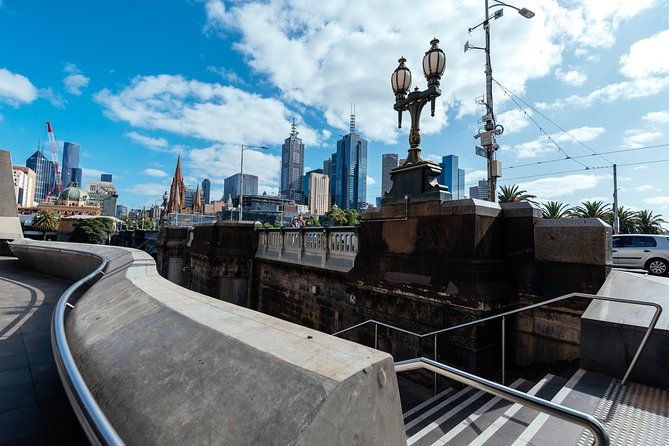
Your tour begins at Federation Square, at the junction of Swanston Street and Flinders Street. This is a sensible starting point because it is one of Melbourne’s best-known public meeting places and sits near several major sights.
Fed Square hosts cultural attractions and large public events. During the tour, your guide can help you understand how the square fits into the city rather than treating it as just a place to meet. You get a first look at Melbourne’s modern civic life before moving toward older buildings nearby.
The activity ends back at the same meeting point. That is convenient if you plan to continue sightseeing on foot, meet someone afterward, or use public transportation from the center. Hotel pickup and drop-off are not included, so you need to reach Fed Square yourself.
Flinders Street Station and Young & Jacksons
From Federation Square, the route takes you to Flinders Street Station. The station’s domed entrance, tower, and clocks are among Melbourne’s most recognizable sights. Locals traditionally use the clocks as a meeting point, which gives the building a practical role as well as a photogenic one.
The station is listed on the Victorian Heritage Register. Your 15-minute stop gives you time to see the exterior and hear why the building matters, but it is not designed as a long architectural tour. If you want interior details or a slower look at the station, plan to return later.
The next stop is Young & Jacksons, a hotel that opened in 1861 as the Princes Hotel. It later took its current name from two Irish diggers. This is a useful pause because it shows how Melbourne’s early hotels and commercial buildings helped shape the center during the city’s growth.
The pairing works well. Flinders Street Station shows the city as a transport hub, while Young & Jacksons gives you a glimpse of its older social and commercial life. You will get context for both without losing much time.
St. Paul’s Cathedral and the start of the laneways
St. Paul’s Cathedral is next. It is an Anglican cathedral, the church of the Diocese of Melbourne, and the seat of the Archbishop of Melbourne. The stop gives the route a change of mood after the station and hotel.
You should think of this as an outside orientation unless your guide says otherwise. The supplied tour details do not promise an interior visit or special access. The 15-minute timing is enough for a look at the building and an explanation of its role, but not a full architectural study.
From here, you walk a couple of minutes along Flinders Street to Hosier Lane. That short transition is part of the appeal. You are not being driven between isolated sights. You are learning how the center fits together on foot.
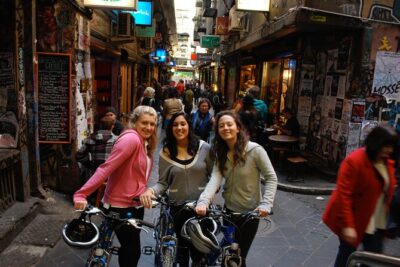
Hosier Lane is now famous for street art, but it also has an earlier connection to Melbourne’s clothing trade. In the 1920s, the lane was part of the city’s clothing manufacturing district. That contrast gives your guide a good chance to explain how a working urban space can change its identity over time.
The lane may be one of the most memorable stops for photographers, but it can also be the most crowded or visually busy section of the walk. You have only a short window, so take your photos without expecting time to inspect every wall.
A completely different way to spend the day:
- Great Ocean Road Small-Group Eco Tour from Melbourne
★ 5.0 · 6,607 reviews - From Melbourne: Great Ocean Road, 12 Apostles, Wildlife Tour
★ 4.7 · 6,020 reviews - Laid back, Yarra Valley Wine Tour: Wine, Cider, Gin, Beer + Choc
★ 5.0 · 4,552 reviews - Great Ocean Road Reverse Itinerary Boutique Tour – Max 11 Guests
★ 5.0 · 4,186 reviews
AC/DC Lane and Melbourne’s music connection
A five-minute walk along Flinders Lane brings you to AC/DC Lane. The tour includes stories about the famous location, not just a photo stop.
The lane connects Melbourne’s central streets with its music culture. Your guide’s local knowledge matters here because the value is in the explanation and the small details. The name alone tells you little about how the place fits into the city’s identity.
This is another short stop. You can expect a quick look, a few stories, and perhaps a note about places worth revisiting later. If music history is a major interest, ask your guide questions while you are there. The private format gives you more freedom to shape the conversation than a large group walk would.
The Block Arcade and St. Collins Lane
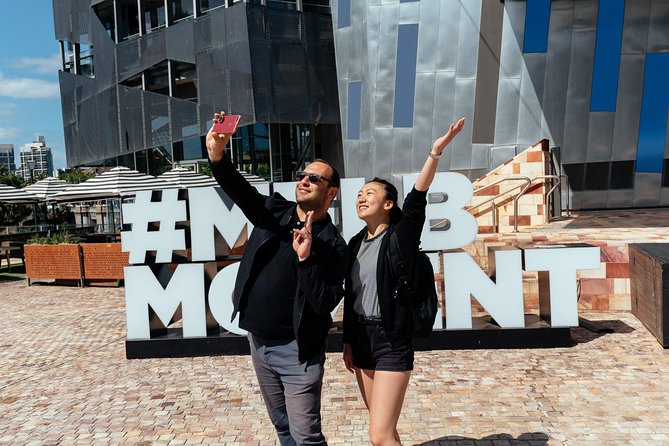
The route then crosses Collins Street and passes through the Block Arcade, which opened in 1892. It is considered one of the finest shopping arcades from the late Victorian era.
This is a strong contrast with Hosier Lane and AC/DC Lane. Instead of exposed walls and modern street art, you see a carefully designed interior associated with Melbourne’s grand shopping tradition. The tour helps you spot that contrast within a few minutes of walking.
St. Collins Lane is included as the next stop. The route description gives less detail about the length or activities there, so treat it as part of the central shopping and arcade section rather than a separate major attraction.
The private setup is useful in this part of town. You can ask your guide which arcades or streets deserve another visit, and you can decide if shopping, architecture, or simply finding a quiet cafe matters most to you.
Bourke Street Mall and the practical center
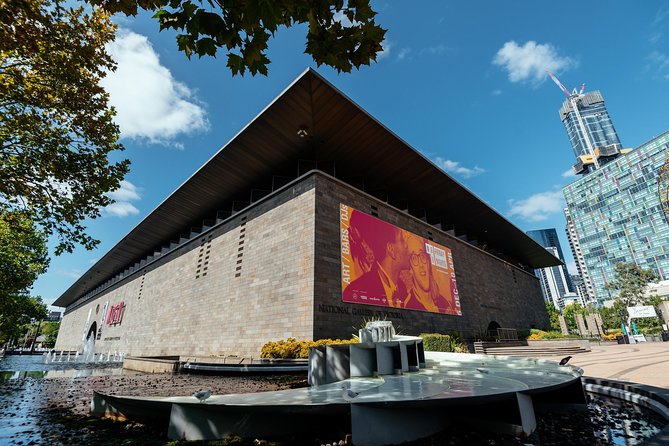
The walk continues to Bourke Street Mall, a pedestrian, no-smoking mall and one of the central commercial areas of Melbourne. Its large stores make it a practical reference point for finding your bearings.
This stop is less about a single historic structure and more about understanding how the city center works today. It gives you a sense of where shopping fits into the central grid and how the pedestrian areas connect with the streets you have already walked.
You should not expect a shopping break built into the tour. The schedule is too short for that. Instead, note the location and return later if you want time in the stores.
For first-time visitors, this kind of orientation can be more useful than another long explanation about a building. You learn which streets are pedestrian-friendly, where the commercial core begins, and how close the major sights are to one another.
Chinatown and the gold rush era
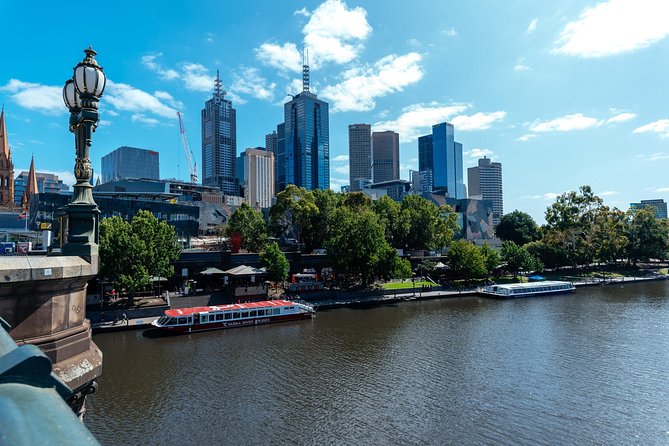
Chinatown brings a different chapter of Melbourne’s story. The area dates to the gold rush days of the 1850s, making it one of the oldest Chinese communities in the city.
This stop adds social and cultural context to the route. After the civic buildings, hotels, churches, arcades, and shopping streets, Chinatown shows how migration and business shaped Melbourne’s center.
The tour does not include a meal, and there is no stated restaurant stop. You can still ask your guide for practical suggestions if you plan to return for food. Since the group is private, this is a good point to ask for advice that matches your budget and schedule.
The 15-minute format means you are getting an introduction rather than a food tour or a detailed cultural program. That is fine if you want to mark the area on your map and come back later with more time.
Parliament House of Victoria
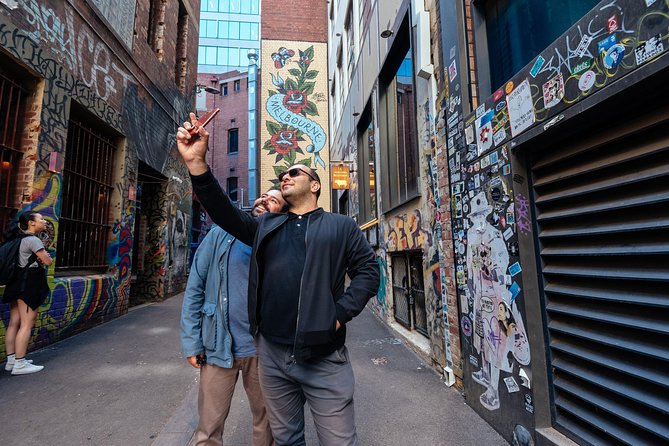
The final listed attraction is Parliament House of Victoria. The building is heritage listed, and free public tours are available on days when Parliament is not sitting.
The tour gives you the setting and enough background to decide if you want to return for one of those public tours. Those visits can include the Legislative Assembly, Legislative Council, Queen’s Hall, and the library. The private city walk itself does not promise entry to those spaces, so ask your guide what is possible during your date.
Ending near Parliament House rounds out the city story. You have seen public squares, transport buildings, churches, lanes, shopping streets, Chinatown, and the state government precinct. That is a useful cross-section of central Melbourne in a short period.
Afterward, the walk returns to Federation Square. You can use the advice from the guide to choose your next stop instead of spending your first afternoon studying a map.
What the private format is worth
The price is $64.38 per person. Since the tour is private, the value depends heavily on group size. For one person or two people, it costs more per head than a shared walking tour, but you get direct access to the guide and do not have to follow a large group’s questions or pace.
For a small family or group of friends, group discounts may improve the value. The tour also includes the guide, local tips, and city orientation, while the listed sights do not require admission fees.
I would book it for the first day if you value a fast introduction and want personal advice. I would not book it as your only Melbourne sightseeing activity. Ninety minutes is enough to identify the city’s key areas, not enough to explore them properly.
The free cancellation policy gives you some flexibility. You can cancel up to 24 hours before the start time for a full refund. Changes or cancellations made less than 24 hours before the start time are not accepted for a refund.
Pace, walking conditions, and access
You should be comfortable walking between central sights for about 90 minutes. The meeting point is near public transportation, but hotel transport is not part of the experience.
Access requires some planning. One detailed account points out that steps at buildings and missing curb cuts at some crosswalks can be a problem. A mobility scooter user might have trouble keeping up with the route, and a map showing nearby options would help with planning.
If you use a scooter or need step-free access, contact the provider before booking and describe your needs clearly. The tour is private, which may allow more discussion about pacing, but the route itself is not advertised as fully accessible.
The short timing can also be tiring for anyone who needs frequent pauses. Ask about rest points and route changes before the start rather than assuming the standard walk will suit you.
Who should book this Melbourne walk?
I would choose this tour if you are visiting Melbourne for the first time, have limited time, or want a local explanation before exploring alone. It is especially useful for people who like to learn the basic street plan early and then return to the places that interest them most.
It also suits couples, families, and small groups who want a conversation rather than a fixed lecture. The private format lets you ask about history, culture, current changes, food, shopping, or practical transport during the walk.
I would choose something longer for anyone who wants detailed architecture, extended street-art study, food tastings, or a focused music tour. The route covers a lot, but each stop is brief.
Should you book the Private City Kickstart Tour?
Book it if you want a fast, private introduction to Melbourne’s central sights and useful local advice. The combination of Fed Square, Flinders Street Station, Hosier Lane, AC/DC Lane, the Block Arcade, Chinatown, and Parliament House gives you a good first map of the city.
Skip it if you already know central Melbourne or prefer to explore at a slow pace. At $64.38 per person, the private format is most sensible when you value direct questions and personal attention. For a first morning in town, it is a practical way to get oriented, then spend the rest of your visit returning to the places that caught your interest.
FAQ
How long does the Melbourne city tour last?
The tour lasts approximately 1 hour and 30 minutes.
Where does the tour begin?
It begins at Federation Square, at Swanston Street and Flinders Street in Melbourne.
Where does the tour end?
The activity ends back at the Federation Square meeting point.
Is this a private tour?
Yes. Only your group and the local guide participate.
Is hotel pickup included?
No. Hotel pickup and drop-off are not included.
What sights are included?
The route includes Federation Square, Flinders Street Station, Young & Jacksons, St. Paul’s Cathedral, Hosier Lane, AC/DC Lane, St. Collins Lane, Bourke Street Mall, Chinatown, and Parliament House of Victoria.
Are admission tickets included?
The listed stops have free admission. The tour does not list separate admission charges.
Can I cancel for a full refund?
Yes. You can cancel at least 24 hours before the experience start time for a full refund. Cancellations or changes made less than 24 hours before the start time are not accepted for a refund.
Recently added around Melbourne
- Melbourne: Private Yarra Valley Winery Lunch by Helicopter★ 5.0 · 10 reviews
- Yarra Valley: Bus Wine Tour with Lunch and a Glass of Wine★ 5.0 · 4 reviews
- Yarra Valley Foodie Tour, Devonshire Tea, Cheese and Chocolate★ 5.0 · 10 reviews
- Yarra Valley Guided Bike Tour | Food & Wine Region★ 5.0 · 19 reviews
- Werribee Mansion & Sovereign Hill Tour★ 3.7 · 3 reviews
- Yarra River Half-Day Rafting Experience★ 5.0 · 21 reviews
- From Phillip Island: Wine and Wildlife Tour with Penguin Parade★ 5.0 · 34 reviews
- Whitewater Sports rafting on the Yarra river★ 4.5 · 5 reviews
City Tours, compared.


Hot Air Balloon Flights over Melbourne City (optional breakfast)
Read our review →
Full-day Melbourne City Sightseeing with Penguin Parade
Read our review →
Melbourne City Cruise with Tea, Coffee, and Commentary
Read our review →
Browse the lists this tour appears in