Reviewed · TOURS
Melbourne Art Deco Architecture Tour
Melbourne’s finest Art Deco buildings are easy to miss if you keep your eyes at street level. This two-hour walk teaches you to look up, notice terracotta tiles, geometric patterns, and bold cultural influences, then understand how the city’s 1934 centenary helped reshape the central business district. I especially like the small maximum group of 10 and the chance to see inside some buildings, not just photograph their façades.
I also like the 10am start, which leaves your afternoon free for museums, the MCG, shopping, or a trip beyond the CBD. Guides including San, John, and Catherine bring different personal styles, but all are prepared to answer questions and adjust the discussion to your interests. The main consideration is that this is an active walking tour, with no hotel pickup, food, or drinks included.
Key points at a glance
- Manchester Unity Building meeting point: Begin at 220 Collins Street at 10am, in one of Melbourne’s best-known Art Deco buildings.
- A lesson in design details: Learn to spot terracotta self-cleaning tiles, geometric patterns, and decorative features influenced by Spanish, Egyptian, and Mayan styles.
- Small-group format: With no more than 10 people, you have a fair chance to ask questions and hear the guide clearly.
- A useful two-hour length: The morning schedule gives you a focused introduction without taking over the day.
- City-centre heritage: The route covers buildings many people pass without understanding, including the Manchester Unity and Majorca buildings.
- Good for repeat Melbourne visitors: A local resident can see familiar streets in a new way, especially by looking above shopfronts and tram wires.
Why Melbourne is such a good city for Art Deco
Melbourne’s Art Deco story is tied closely to the city’s centenary in 1934. The celebration helped spark a major building boom, and the central city gained many buildings shaped by the design ideas of the period.
That timing matters. Art Deco was not one narrow look copied from a single source. It drew on international styles, including Spanish, Egyptian, and Mayan influences. On this walk, you learn how those ideas were adapted for Melbourne rather than simply being told that a building is old or attractive.
I find that context useful because Art Deco can be hard to define at first. You may notice a zigzag pattern or a polished entrance, but not know what makes the detail part of the style. The guide helps you connect the visual clues to the period’s interest in modernity, travel, industry, and global design.
The tour also makes Melbourne’s central business district easier to read. Instead of seeing a row of unrelated offices and shops, you begin to notice how façades, entrances, tiles, windows, and ornament fit together. That change in attention is the real value of the experience.
Other trips out of Melbourne that people weigh up against this one:
- Great Ocean Road Small-Group Eco Tour from Melbourne
★ 5.0 · 6,607 reviews - From Melbourne: Great Ocean Road, 12 Apostles, Wildlife Tour
★ 4.7 · 6,020 reviews - Laid back, Yarra Valley Wine Tour: Wine, Cider, Gin, Beer + Choc
★ 5.0 · 4,552 reviews
Starting at the Manchester Unity Building
Meet your guide at the Manchester Unity Building, 220 Collins Street, at 10am. Starting here is practical, but it is also fitting, since the building is one of the main examples discussed on the walk.
You can expect the opening section to set the scene for Melbourne’s 1934 centenary and the construction boom that followed. The guide then introduces the basic marks of Art Deco, including distinctive patterning and the use of terracotta tiles described as self-cleaning.
That detail is a good example of what makes the tour more useful than a quick architecture photo stop. You are not only told when a building was built. You learn why certain materials were used and what visual details to look for as the walk continues.
Pay attention at the beginning, especially if you do not usually study architecture. The guide’s explanation of shapes, surfaces, and ornament gives you a visual checklist for the rest of the morning. Once you know what to notice, buildings that seemed plain from a distance can reveal more character.
The meeting point is near public transportation, so it is suited to a day spent exploring the CBD. You need to arrange your own way there, as hotel pickup is not provided. The tour also ends back at the meeting point, which makes it easier to continue with plans nearby.
Seeing the Majorca Building and other city examples
The route includes the Majorca Building, another important stop for understanding Melbourne’s Art Deco character. The exact emphasis can vary with the guide and the group’s questions, but the walk is built around several examples in the city centre rather than a single building visit.
That variety helps you see that Art Deco was not simply a decorative treatment applied in the same way everywhere. Some buildings may show the style through surface patterning, while others make a stronger impression through their entrances, vertical lines, tile work, or decorative motifs.
The guide also explains how Spanish, Egyptian, Mayan, and other influences shaped the look. You may find it easier to remember these connections when you can match them to actual details on nearby buildings. This is a walking lesson, not a lecture in a room, so the city itself supplies the evidence.
Going inside some buildings can be one of the most interesting parts of the morning when access allows. Interior spaces often reveal details that disappear in a street photograph. Since building access can depend on circumstances, do not treat every interior as guaranteed, but appreciate it when the route includes one.
The CBD route is also a reminder that heritage is not limited to famous landmarks. You may already have walked past these addresses while shopping, taking a tram, or looking for a café. The tour gives you a reason to pause and consider the buildings as part of Melbourne’s cultural story.
What the guides add to the experience
A good architecture walk depends heavily on the guide, and this one has several named guides associated with strong feedback. San is described as enthusiastic and especially good at bringing the buildings’ stories to life. John has a strong command of Melbourne and its architecture, while Catherine is praised for explaining how many city buildings use the Art Deco style.
The useful point for you is not memorizing the names. It is the guide-led nature of the experience. You are not handed a map and left to identify details on your own. You can ask questions, request more explanation, and connect the buildings to your own interests.
One participant found the discussion felt tailored because the guide responded to questions and asked about the group’s interests. That is a real advantage of a small group. With up to 10 people, the guide has more room to slow down, clarify a point, or spend longer on a feature that catches your attention.
San has also helped a participant find the tram needed for a later activity at the MCG. That is not a formal part of the advertised tour, so you should not book it expecting personal onward transport help. Still, it suggests that the guides may offer useful local direction when the timing works.
The strongest theme is enthusiasm paired with clear explanation. You want both on an architecture walk. Facts alone can feel dry, while enthusiasm without detail can become shallow. This experience appears designed to give you enough background to understand what you are seeing without turning the morning into an academic seminar.
A completely different way to spend the day:
- Great Ocean Road Reverse Itinerary Boutique Tour – Max 11 Guests
★ 5.0 · 4,186 reviews - Penguin Parade, & Wildlife Encounters Eco Tour from Melbourne
★ 5.0 · 3,774 reviews - Melbourne: Yarra Valley Wine, Gin, Whisky and Chocolate Tour
★ 5.0 · 3,667 reviews - Great Ocean Road Tour w/ Deluxe Minibus & Top-Rated Guide
★ 4.8 · 2,644 reviews
A two-hour walk that fits a Melbourne day
The tour lasts about two hours and begins at 10am. That timing works well for many visitors. You can start with breakfast, spend the morning on the walk, then use the afternoon for another part of Melbourne.
I like the length because Art Deco rewards close attention, but most people do not need an entire day devoted to one design period. Two hours gives you a focused introduction and leaves space for the National Gallery of Victoria, Queen Victoria Market, the MCG, shopping, or another booked activity.
You should have a moderate level of physical fitness. This is a walking tour, so expect to spend the session on your feet and moving through the city centre. Wear comfortable shoes and plan for normal outdoor conditions, since the experience is not a seated indoor presentation.
The route also requires you to look upward and around you. That can be tiring if you are rushing, distracted, or trying to combine the tour with a tight schedule. Give yourself enough time to reach the meeting point and avoid booking another activity that begins immediately afterward.
The morning format is especially useful for first-time visitors who want an introduction to central Melbourne before exploring alone. It also suits local residents who know the streets but have never studied the buildings. One participant described the pleasure of looking at their own city like a tourist, which is exactly the right spirit for this walk.
Is the $64.55 price good value?
At $64.55 per person, this is not the cheapest way to spend two hours in Melbourne. You can walk through the CBD for free, and architecture books or self-guided maps cost less.
The price makes more sense if you value interpretation. You are paying for a local guide, a planned route, a small group, and the chance to ask questions. You also avoid spending time trying to identify buildings or work out the difference between general decorative design and Art Deco features.
The maximum group size of 10 is important here. A larger group could make it harder to hear, ask questions, or examine details without feeling rushed. The small format gives the fee more practical value, especially if the guide responds to your interests rather than delivering the same speech at every stop.
This is a better purchase for someone who enjoys architecture, design, or city history than for someone seeking a broad Melbourne sightseeing tour. You are not getting food, admission to a major attraction, or hotel transport. The value comes from the guide’s explanations and the access to details you might otherwise miss.
The high rating and full recommendation rate support the idea that the tour delivers what it promises, but the sample is small. I would treat that as encouraging rather than proof that every group will have the same guide or identical experience. The guide, weather, building access, and your own interest in design will shape the morning.
Who should book this walk?
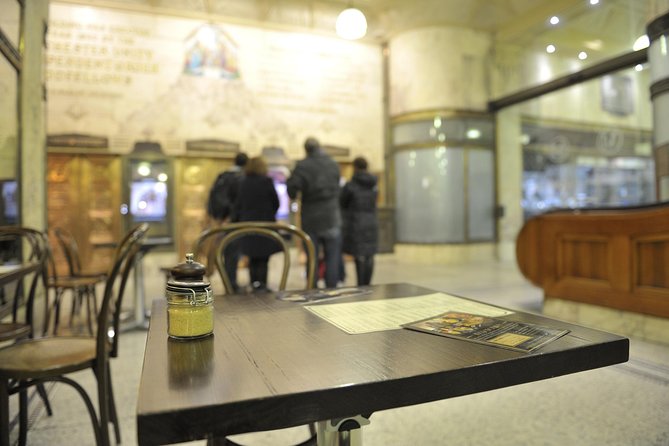
I would recommend it to Art Deco fans, design students, architecture enthusiasts, and anyone who likes learning how a city was built. You do not need formal design training. The tour starts with recognizable details and builds from there.
It also suits repeat visitors. If you have already seen Melbourne’s major attractions, this offers a fresh way to spend a morning in familiar streets. Local residents can benefit too, especially if they often pass through Collins Street without looking above the ground floor.
The walk may appeal to active travelers who prefer a moving tour rather than a bus or indoor talk. It is also a sensible choice for people who want a compact activity before a free afternoon.
I would be less likely to recommend it if your main goal is famous landmarks, shopping, food, or broad city coverage. The tour focuses on a specific architectural period and expects you to pay attention to design details. That focus is its strength, but it will not suit every sightseeing style.
The minimum age is 13, so this is not an activity for younger children. Teenagers who like buildings, drawing, photography, or city stories may enjoy it, but the walking and subject matter require a reasonable attention span.
Practical details before you go
Your confirmation is provided when you book. The start point is the Manchester Unity Building at 220 Collins Street, and the activity returns there at the end.
The tour operates with a minimum number of participants. If that number is not reached, the provider may cancel after confirmation and offer another option or a full refund. This is worth remembering if the walk is the main reason for a tightly timed day in Melbourne.
You can cancel for a full refund up to 24 hours before the start time. Cancellations or changes made within 24 hours are not accepted for a refund, and the cut-off follows Melbourne local time.
The experience includes a local guide only. Food, drinks, and hotel pickup are not included, so handle breakfast, water, and transport to Collins Street yourself.
My verdict: a smart choice for architecture fans
Book this tour if you want to understand Melbourne’s city centre rather than simply pass through it. The Manchester Unity and Majorca buildings provide strong anchors, while the discussion of 1934 and international design influences gives the walk a clear story.
The best reason to go is the guide’s ability to make you look differently. San, John, and Catherine bring local detail, answer questions, and help connect small features to the city’s past. The main trade-off is the narrow focus and the need to walk for two hours.
For $64.55, I see good value if you care about buildings and prefer a small, guided experience. If that sounds like your kind of morning, this is an easy addition to a Melbourne itinerary.
FAQ
Where does the Melbourne Art Deco Architecture Tour begin?
The tour begins at the Manchester Unity Building, 220 Collins Street, Melbourne VIC 3000.
What time does the tour start?
The tour starts at 10am.
How long does the tour last?
The walking tour lasts approximately two hours.
Where does the tour finish?
The activity ends back at the Manchester Unity Building meeting point.
How many people can join the tour?
The maximum group size is 10 travelers.
What buildings are included?
The route includes the Manchester Unity Building and the Majorca Building, along with other Art Deco examples in Melbourne’s city centre.
What is included in the price?
The price includes a local guide. Hotel pickup, food, and drinks are not included.
Can I cancel for a full refund?
Yes. You can cancel at least 24 hours before the start time for a full refund. Cancellations or changes made less than 24 hours before the experience are not accepted for a refund.
Recently added around Melbourne
- Melbourne: Private Yarra Valley Winery Lunch by Helicopter★ 5.0 · 10 reviews
- Yarra Valley: Bus Wine Tour with Lunch and a Glass of Wine★ 5.0 · 4 reviews
- Werribee Mansion & Sovereign Hill Tour★ 3.7 · 3 reviews
- Yarra Valley Foodie Tour, Devonshire Tea, Cheese and Chocolate★ 5.0 · 10 reviews
- Yarra Valley Guided Bike Tour | Food & Wine Region★ 5.0 · 19 reviews
- Yarra River Half-Day Rafting Experience★ 5.0 · 21 reviews
- From Phillip Island: Wine and Wildlife Tour with Penguin Parade★ 5.0 · 34 reviews
- Whitewater Sports rafting on the Yarra river★ 4.5 · 5 reviews
Tours, compared.
Great Ocean Road Small-Group Eco Tour from Melbourne
Read our review →

Laid back, Yarra Valley Wine Tour: Wine, Cider, Gin, Beer + Choc
Read our review →
Great Ocean Road Reverse Itinerary Boutique Tour – Max 11 Guests
Read our review →
Penguin Parade, & Wildlife Encounters Eco Tour from Melbourne
Read our review →
Yarra Valley Wine, Gin, Whisky and Chocolate Tour
Read our review →
Great Ocean Road Tour w/ Deluxe Minibus & Top-Rated Guide
Read our review →