
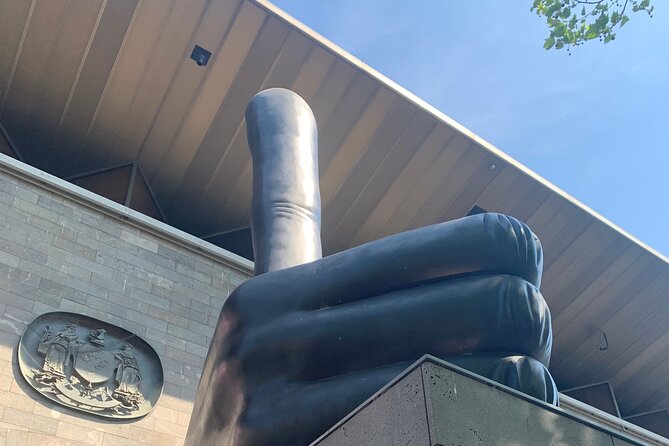
Reviewed · MUSEUMS
National Gallery of Victoria (NGV) guided tour
The best thing about this NGV tour is its clear purpose: it teaches you how to look at art. Instead of wandering through a grand gallery and wondering what you should notice, Sandy guides you through about 30 Western paintings, from Byzantine works to Picasso, with useful clues about technique, history, and meaning.
I like the small maximum of six people, which should make it easier to ask questions. I also like the laminated checklist you take home. It gives you a simple method for looking at paintings in Melbourne, or in any museum you visit later. The main consideration is the price, $107.59 per person, which makes most sense if you want instruction rather than a quick gallery visit.
Key points
- About 30 major Western paintings: See works connected with Byzantine, Renaissance, Baroque, Rococo, Romantic, Realist, and Impressionist art.
- Sandy’s beginner-friendly teaching: The experience is designed for people who enjoy art but do not have formal training.
- Small group format: A maximum of six people allows room for questions and discussion.
- Useful take-home guide: Keep the laminated painting-analysis sheet and use it in future galleries.
- Three and a half focused hours: You get a structured visit instead of trying to cover the whole NGV.
- A quiz at the end: Test what you have learned in a light, practical way.
A smarter way to visit Melbourne’s NGV
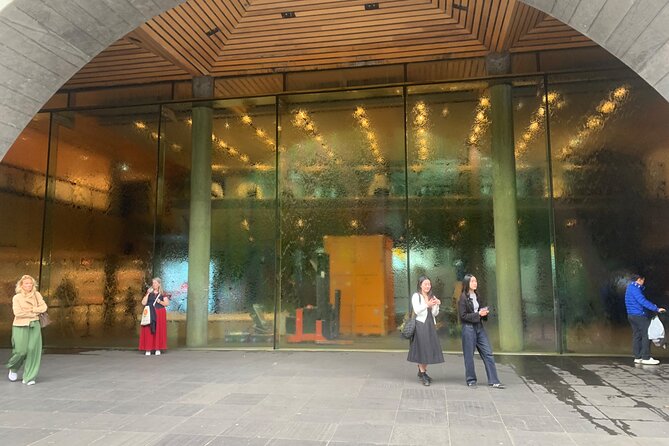
The National Gallery of Victoria can be a lot to take in. Its Western art collection covers centuries of changing styles, religious ideas, social values, and artistic methods. If you walk in without a plan, you may admire the famous names, take a few photos, and leave without knowing why one painting works better for you than another.
This tour gives your visit a clear shape. Sandy concentrates on about 30 of his favorite Western paintings and uses them as examples. You are not expected to memorize dates or speak like an art historian. Instead, you learn where to look first, what questions to ask, and how details such as color, composition, gesture, and light affect your response.
That approach is useful for beginners because art appreciation can feel more difficult than it really is. You do not need specialist vocabulary to begin. You need a few good habits, and this experience puts those habits into practice as you move through the gallery.
The tour begins at 10:00 am at 200 St Kilda Rd in Southbank. It ends at the same meeting point after approximately three hours and 30 minutes. Since the activity stays within the NGV, you can plan the rest of your day around it without adding another transfer.
More museums in Melbourne:
- ArtVo Immersive Gallery Experience
★ 4.5 · 423 reviews - MCG Tour & Australian Sports Museum
★ 4.5 · 263 reviews - Melbourne: Melbourne Museum Entry Ticket
★ 4.7 · 122 reviews
From Byzantine art to the Renaissance
The early part of the experience introduces some of the visual ideas that shaped Western painting. Byzantine art can seem formal and unfamiliar at first, but it offers a useful starting point because it shows how artists used pose, symbols, color, and arrangement to express religious meaning.
From there, the Renaissance gives you a chance to see how artists began handling space, the human figure, and the natural world in new ways. This is where a guide can save you time. Rather than looking at a large room of paintings as one blur, you learn to compare what changed and why those changes mattered.
The tour includes paintings connected with several important movements, including Mannerism and Baroque art. Mannerist works often reward close looking because the figures, poses, and proportions can feel deliberately unusual. Baroque painting brings drama through movement, strong contrasts, and emotional tension.
I like this historical sequence because it helps you see art as a conversation rather than a collection of isolated masterpieces. Once you notice how one period responds to another, paintings become easier to place and remember.
Rembrandt, El Greco, and the power of a single painting
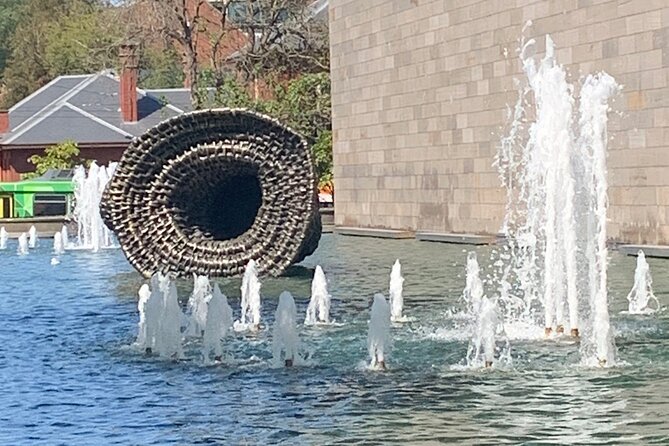
The artists named for this experience include Rembrandt, El Greco, Jan Brueghel, Tiepolo, François Boucher, Monet, Pissarro, Dalí, and Picasso. That is a broad range, and the variety should keep the session from feeling like a single-style lecture.
Rembrandt offers a chance to consider light, expression, and the suggestion of a person’s inner life. El Greco can lead you toward questions about stretched forms, unusual color, and spiritual intensity. Jan Brueghel gives you another way to think about detail and the treatment of the natural world.
Tiepolo and François Boucher represent different aspects of eighteenth-century art, including decorative elegance and the Rococo taste for graceful movement and polished surfaces. Later, Monet and Pissarro show how Impressionist painters changed the way they handled light, atmosphere, and everyday scenes.
The route also reaches into modern art through Dalí and Picasso. Their work can be especially helpful for beginners because it raises a basic question: must a painting look like the subject it represents? Sandy’s method gives you a way to discuss such work without reducing it to I like it or I do not like it.
You will not become an art expert in one morning, and that is not the goal. You will have a stronger set of questions for deciding what you notice and what holds your attention.
The laminated sheet is more useful than it sounds
The reusable laminated guide sheet is one of the strongest practical features. It provides a short checklist for viewing and analyzing paintings, so you can use it during the tour and keep it for later museum visits.
A checklist helps because standing in front of a painting can be oddly passive. You may wait for a feeling to arrive, then move on if it does not. A basic sequence gives you something to do:
- Look at the overall subject and composition.
- Notice where your eye goes first.
- Check the use of color, light, line, and space.
- Consider the artist’s technique.
- Ask what the historical setting may add.
- Decide what the painting makes you notice or feel.
The exact wording and order come from the guide sheet, but the larger benefit is simple: you leave with a repeatable way to study art. I especially like this for people who plan to visit other galleries during a trip. The sheet can turn a short museum stop into a more focused experience.
One person specifically praised the handout as a succinct guide to early Western art and said Sandy answered questions patiently. That detail matters. A useful worksheet is only helpful if the guide takes time to explain it, and the available feedback points to a calm, approachable teaching style.
A few more Melbourne trips worth a look
- Great Ocean Road Tour w/ Deluxe Minibus & Top-Rated Guide
★ 4.8 · 2,644 reviews - Melbourne: Melbourne Cricket Grounds (MCG) Guided Tour
★ 4.7 · 812 reviews - From Melbourne: Great Ocean Road Full-Day Guided Trip
★ 4.8 · 652 reviews - Melbourne: Ghosts, Murder, & Mystery Guided Walking Tour
★ 4.5 · 261 reviews
A small group changes the pace
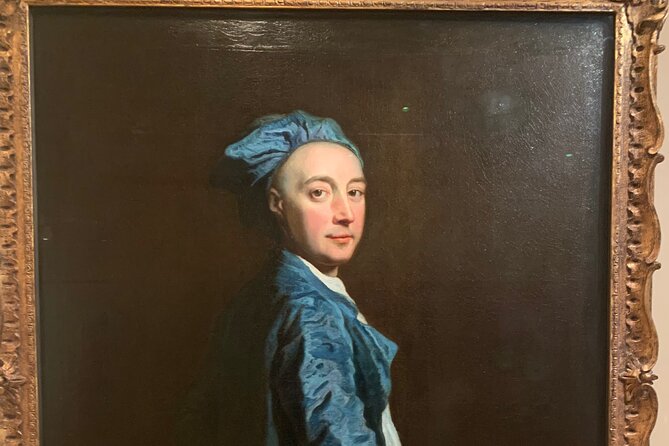
The group requires at least four people, including your booking and others, for the tour to operate. The maximum is six. That gives the activity a more personal feel than a large museum walk, but it also means you should not assume every requested date will run until you receive confirmation.
The small size is valuable for an instructional tour. You can ask why a painting is important, admit that something does not make sense, or test an idea without speaking to a crowd. Sandy can also spend a little more time on questions that interest your particular group.
The tradeoff is that the experience is not designed for complete freedom. You will be following a planned selection of roughly 30 works, not choosing every room yourself. If your main goal is to see one specific painting at length or explore the NGV at your own pace, an independent visit may suit you better.
For families, the structure can help children stay involved. The quiz at the end gives younger participants a clear finish line, while the limited group size should make it easier to keep questions and discussion moving. Still, the experience is built around looking and listening for three and a half hours, so it is best for children who can manage a sustained museum session.
Why three and a half hours can be good value
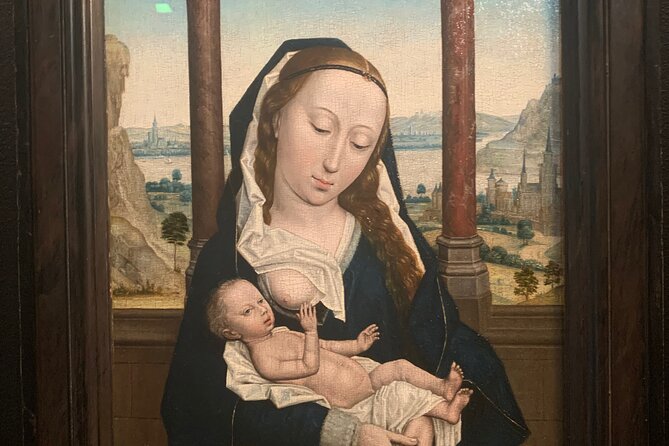
The cost is $107.59 per person. That is not a casual add-on for someone who simply wants to enter the NGV and browse. The value depends on what you want from your visit.
If you already know the major movements and prefer independent exploration, the price may feel high. The museum visit would be more flexible without a guide, and you could spend as long as you like with a favorite artist.
If art feels confusing, the calculation changes. You receive a structured session, personal instruction in a group of no more than six, discussion of about 30 paintings, a quiz, and a guide sheet you can use again. The cost buys direction and confidence, not just access to the building.
The length also matters. Three and a half hours is long enough to move beyond a quick introduction, but not so long that you need to spend the whole day in the gallery. You should expect a concentrated morning. Wear whatever allows you to remain comfortable while standing and walking through the museum, though no special equipment is listed as necessary.
The tour is booked an average of 22 days in advance, so planning early is sensible, particularly if your Melbourne schedule is tight. Confirmation is sent within 48 hours of booking, subject to availability.
What the 10:00 am start means for your day
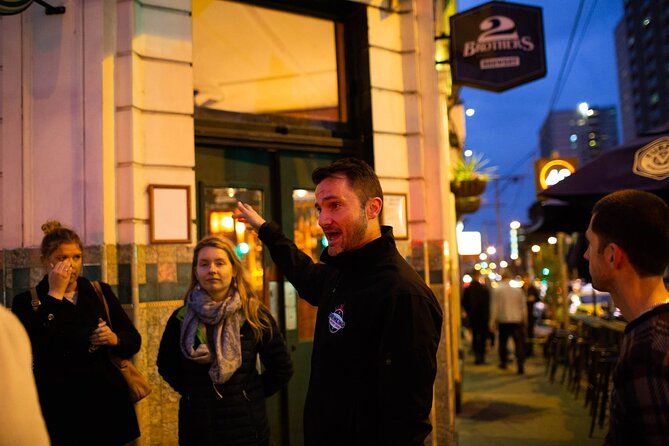
The meeting point is 200 St Kilda Rd, Southbank, at the National Gallery of Victoria. The location is near public transportation, which makes it practical to reach from other parts of Melbourne. You receive a mobile ticket, so keep the booking information accessible on your phone.
Starting at 10:00 am leaves much of the afternoon open. After the session, you can continue looking at the NGV on your own if you still have energy, or move on to another Melbourne attraction. The tour ends where it begins, so you do not need to arrange a separate pickup.
No snacks are provided. For a three-and-a-half-hour activity, eat beforehand or plan food for afterward. This is a small point, but it matters when you are building a full day around a morning museum visit.
The cancellation terms are friendly if your plans change early. You can cancel for a full refund up to 24 hours before the start time. Cancellations or changes made less than 24 hours before the experience are not accepted for a refund.
Who will get the most from Sandy’s tour?
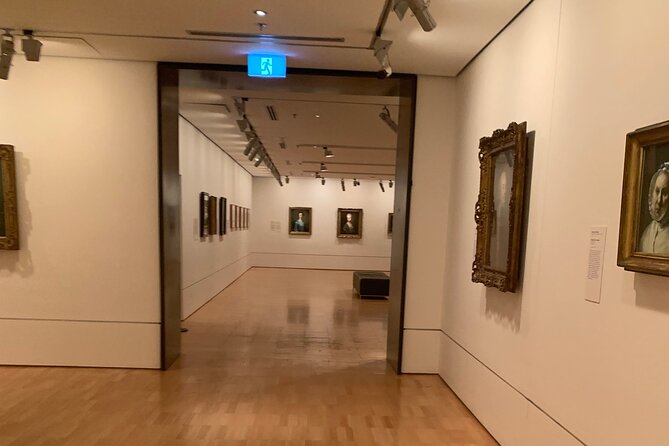
This is a strong match if you enjoy looking at paintings but often feel unsure what you are supposed to notice. You will get the most from it if you are willing to ask questions, compare styles, and try the checklist rather than simply follow the guide from room to room.
It also suits a first-time NGV visitor who wants a useful introduction to the Western collection. The selection includes major names and a wide range of movements, so you gain a broad frame for later independent visits.
Families can consider it, especially if children like quizzes or respond well to guided activities. The tour is not described as a children-only program, so parents should judge whether their children can stay engaged through a long museum session.
Art students and experienced museum visitors may find the content basic. The tour is openly aimed at beginners, and its strength is its clear teaching method rather than specialist depth. If you already have a firm grasp of Byzantine, Renaissance, Baroque, Rococo, Romantic, Realist, and Impressionist art, you may prefer a narrower or more advanced program.
Is this NGV tour worth booking?
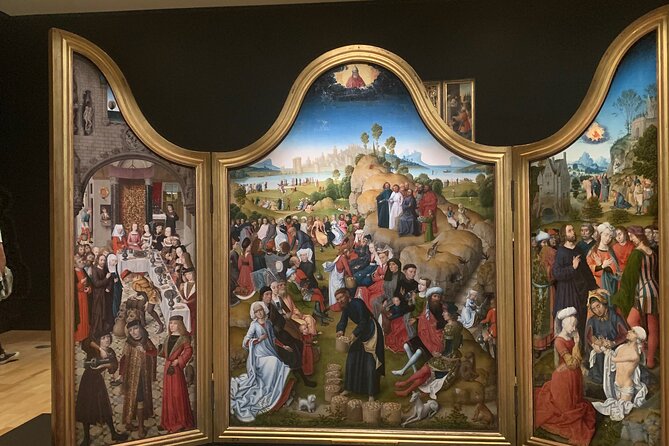
Book it if you want more than a pleasant wander through Melbourne’s art museum. Sandy’s tour gives you a manageable set of paintings, a clear method for looking, and plenty of room to ask questions. The handout and final quiz add practical value beyond the three-and-a-half-hour visit.
Think twice if you dislike fixed schedules, prefer to explore alone, or are mainly interested in a single artist. Also remember that at least four people are needed for the experience to operate, and confirmation depends on availability.
For a beginner, a curious family, or anyone who wants to feel more at ease in galleries, I think this is a well-focused way to spend a morning at the NGV. The best reason to book is not simply seeing Rembrandt, Monet, or Picasso. It is leaving with a method you can use long after you have left Melbourne.
FAQ
Where does the NGV guided tour begin?
It begins at the National Gallery of Victoria, 200 St Kilda Rd, Southbank VIC 3006, Australia.
What time does the tour start?
The start time is 10:00 am.
How long does the experience last?
The experience lasts approximately three hours and 30 minutes.
Where does the tour end?
The activity ends back at the meeting point at the National Gallery of Victoria.
How much does the tour cost?
The listed price is $107.59 per person.
How many people can join the tour?
The tour requires a minimum of four people, including your booking and other participants. The maximum group size is six.
Who leads the experience?
The experience provider and guide is Sandy.
What art movements are covered?
The tour includes Byzantine, Renaissance, Mannerism, Baroque, Rococo, Romanticism, Realism, and Impressionism.
Which artists might I see?
The selected works include paintings by Rembrandt, François Boucher, El Greco, Jan Brueghel, Tiepolo, Monet, Pissarro, Dalí, and Picasso.
What is included in the price?
You receive a reusable laminated guide sheet explaining how to view and analyze paintings. Snacks are not provided.
Is the tour suitable for beginners?
Yes. It is designed for people who want to learn how to appreciate art without becoming art experts.
Can I cancel for a full refund?
Yes, if you cancel at least 24 hours before the experience start time. Cancellations or changes made less than 24 hours before the start time are not accepted for a refund.
Recently added around Melbourne
- Melbourne: Private Yarra Valley Winery Lunch by Helicopter★ 5.0 · 10 reviews
- Yarra Valley: Bus Wine Tour with Lunch and a Glass of Wine★ 5.0 · 4 reviews
- Yarra Valley Foodie Tour, Devonshire Tea, Cheese and Chocolate★ 5.0 · 10 reviews
- Yarra Valley Guided Bike Tour | Food & Wine Region★ 5.0 · 19 reviews
- Werribee Mansion & Sovereign Hill Tour★ 3.7 · 3 reviews
- Yarra River Half-Day Rafting Experience★ 5.0 · 21 reviews
- From Phillip Island: Wine and Wildlife Tour with Penguin Parade★ 5.0 · 34 reviews
- Whitewater Sports rafting on the Yarra river★ 4.5 · 5 reviews
Museums, compared.




Melbourne Sports Experience + Free Australian Sports Museum entry
Read our review →Browse the lists this tour appears in