Reviewed · TOURS
Architecture Tour of Melbourne
Melbourne’s architectural story is best read on foot, where grand facades, modern designs, churches, banks, and railway buildings sit close together. This two-hour walking tour links those buildings to the city’s growth from the 1850s onward, with stops at Federation Square, Flinders Street Station, the ANZ Bank Museum, Scots Church, and other central sites.
I like the small group limit of 10, which gives you a better chance to ask questions, and I like the way the route can be shaped around the group’s interests and walking speed. Guides including San, John, and Kathy are praised for making the subject lively rather than delivering a stiff script. The main drawback is simple: this is a walking tour with no fixed endpoint, and it is not wheelchair accessible.
Key points at a glance
- A compact two-hour introduction: You cover Melbourne’s central architectural story without giving up a whole day.
- A maximum of 10 people: The small group makes conversation and questions easier.
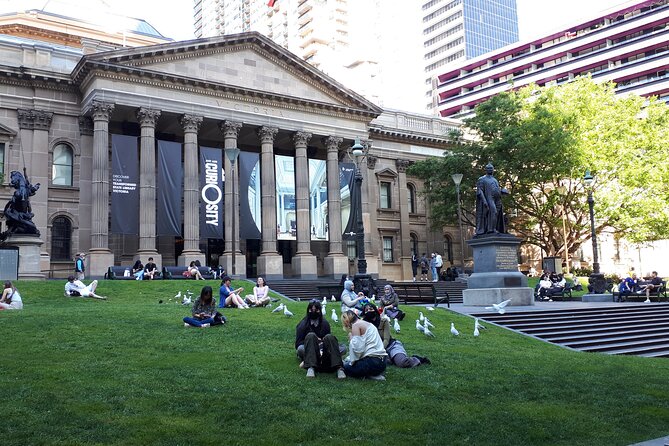
- Five useful city sights: The route includes Federation Square, Flinders Street Station, the ANZ Bank Museum, Scots Church, and other buildings in the CBD.
- More than facade-spotting: Your guide explains why buildings matter and points out details you may miss from street level.
- A flexible finish: The walk ends roughly near Bourke Street Mall, though the exact point depends on the group’s pace and size.
- Weather matters: If poor weather cancels the tour, you can choose another date or receive a full refund.
Melbourne’s architecture, read as a city story
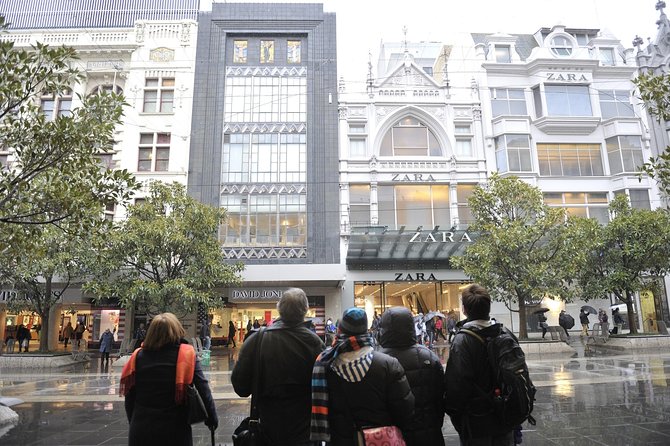
The best feature of this tour is its range. In about two hours, you move between different periods and building types instead of spending the whole time studying one landmark. That gives you a useful first look at Melbourne’s central streets and helps you notice how old and new designs share the same city blocks.
The tour begins at St Paul’s Cathedral on Flinders Street, at 198-206 Flinders Street. This is an easy meeting point near public transport, and it places you right in the middle of the city’s architectural conversation. From there, your guide introduces buildings dating back to the 1850s and explains their place in Melbourne’s development.
You should expect to spend most of the time outdoors, standing on pavements and walking between stops. The pace is intended to suit the group, but comfortable shoes are essential. This is not a quick hop between sights by vehicle. The walking is part of the experience because it lets you compare buildings from different angles and notice details that disappear when you are rushing past.
Other trips out of Melbourne that people weigh up against this one:
- Great Ocean Road Small-Group Eco Tour from Melbourne
★ 5.0 · 6,607 reviews - From Melbourne: Great Ocean Road, 12 Apostles, Wildlife Tour
★ 4.7 · 6,020 reviews - Laid back, Yarra Valley Wine Tour: Wine, Cider, Gin, Beer + Choc
★ 5.0 · 4,552 reviews
Starting at St Paul’s and Flinders Street
Meeting at St Paul’s Cathedral gives the tour a clear, central beginning. Flinders Street is one of Melbourne’s main reference points, so it is a practical location if you are staying in the city centre or arriving by public transport.
The surrounding area also gives your guide plenty to work with. Flinders Street Station is one of the named stops, and its familiar presence helps anchor the discussion. Rather than simply taking a photograph and moving on, you get an explanation of the building’s architectural role and its place in Melbourne’s wider story.
This is useful early in a visit because you begin to understand the city through its built form. A guide can show you what to look for in a building, how to compare one design with another, and why an ordinary-looking entrance or upper floor may deserve a closer look.
One especially valuable part of the experience is access to places you might otherwise ignore. The guide can point out buildings that are difficult to notice from the street and explain which interiors you can enter. That practical advice can improve the rest of your time in Melbourne, since you leave with a better sense of where to look and when it is worth stepping inside.
Federation Square and the changing centre
Federation Square is another important stop. Its inclusion gives the tour a modern counterpoint to the older buildings around Flinders Street. You see how Melbourne’s architectural story is not limited to nineteenth-century facades. The city also makes room for newer designs that have changed the way people use the centre.
The value here is comparison. After hearing about buildings from the 1850s onward, you can consider how a contemporary public space fits into the same central area. Your guide connects the individual site to the broader development of Melbourne, rather than treating each stop as an isolated photo opportunity.
Federation Square is also a busy public meeting place, so the exact experience will depend on conditions on the day. The tour is conducted on foot, and the guide may need to position the group carefully while explaining the site. A maximum of 10 people helps here, since a small group is easier to keep together in a public space.
The ANZ Bank Museum and the details you might miss
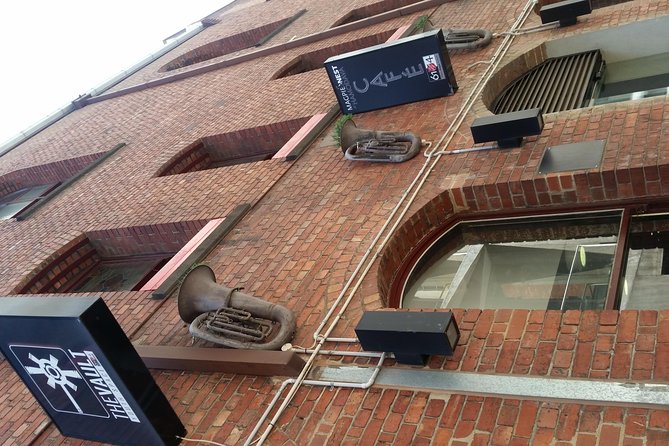
The ANZ Bank Museum adds a different type of stop to the route. It gives you the chance to consider a building not only as an exterior object, but also as a place designed for a specific civic and commercial purpose.
This is where the guide’s role matters most. You are not simply being handed a list of dates or design labels. Guides such as San, John, and Kathy explain the history and architecture in an approachable way, and they can respond to questions that arise during the walk. That makes the experience more adaptable than a recorded audio route.
You may also find that the most interesting details are not the ones that dominate a postcard. Several comments about the tour point to buildings and features that are easy to miss from street level. Your guide helps you look above shopfronts, into entrances, and at parts of buildings that you might otherwise pass without a second thought.
The tour does not promise entry to every building, so keep your expectations practical. Its value is in showing you what to notice and explaining which places can be visited, not in providing guaranteed interior access at every stop.
A completely different way to spend the day:
- Great Ocean Road Reverse Itinerary Boutique Tour – Max 11 Guests
★ 5.0 · 4,186 reviews - Penguin Parade, & Wildlife Encounters Eco Tour from Melbourne
★ 5.0 · 3,774 reviews - Melbourne: Yarra Valley Wine, Gin, Whisky and Chocolate Tour
★ 5.0 · 3,667 reviews - Great Ocean Road Tour w/ Deluxe Minibus & Top-Rated Guide
★ 4.8 · 2,644 reviews
Scots Church and Melbourne’s older buildings
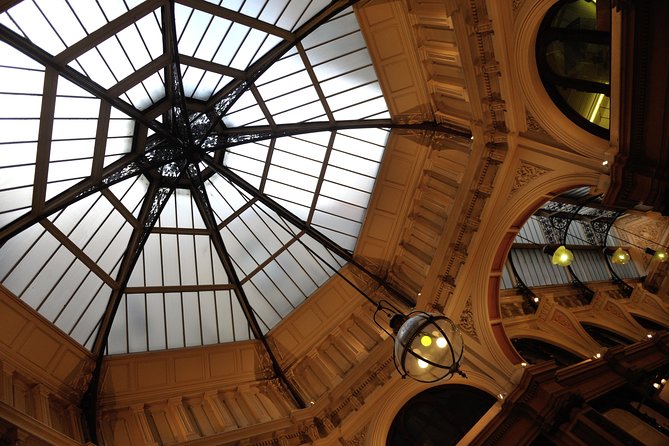
Scots Church provides another change of tone. Along with the cathedral and other historic structures, it helps show how religious buildings form part of Melbourne’s central architectural identity.
Your guide places the church within the wider walk, so you can compare its design and purpose with the banks, public spaces, railway buildings, and commercial structures nearby. That mixture is one of the tour’s strengths. You are not studying architecture in a vacuum. You are seeing how different institutions shaped the same city centre.
The older buildings are also a good fit for visitors who want history without signing up for a long museum lecture. The guides are described as funny, friendly, and able to explain the subject in an interesting, natural way. That matters because architecture can become dry when it is reduced to dates and terminology. Here, the aim is to connect the buildings with Melbourne’s past in a way that keeps the walk moving.
If you have a particular interest, say so early. The tour can be tailored as much as possible to the group’s interests, and questions are welcome. That flexibility is especially useful when a small group contains people with different levels of interest in architecture.
A guide-led walk rather than a rehearsed script
The guide can make or break a walking tour, and this experience has several named guides associated with it. San is praised for explaining Melbourne’s diverse buildings and for showing parts of the city that are easy to overlook. John is described as well informed about both the city and its architecture, while Kathy is noted for answering a wide range of questions in a natural way.
You should not expect every departure to feel identical. The guide, group size, walking speed, and interests will shape the tone. That is a benefit if you like conversation and a little flexibility, but less ideal if you want a tightly timed, identical script every time.
The small group format helps. With no more than 10 people, the guide can hear questions and adjust the explanation more easily than on a large coach tour. You are also less likely to lose the group when moving through the central streets.
The experience seems best suited to curious visitors who enjoy asking why a building looks the way it does. You do not need a formal background in architecture. The tour is also useful if you have just arrived in Melbourne and want a quick orientation through the city’s history and streets. One guest used it immediately after arriving from Utah and found the combination of architecture and history a good way to get started.
Timing, walking, and the uncertain endpoint
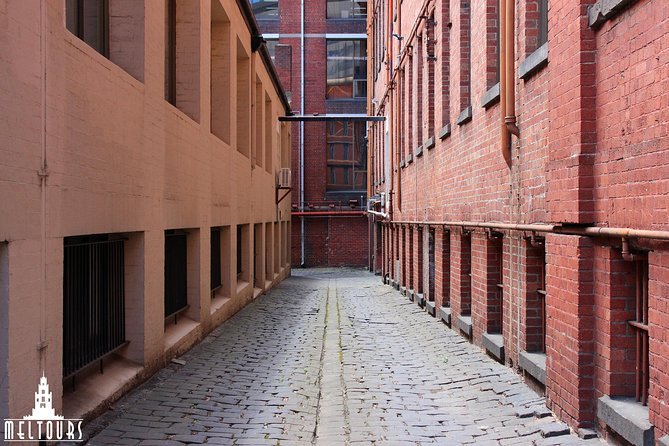
The advertised duration is approximately two hours. That is long enough to create a useful framework for Melbourne, but short enough to fit into a first day in the city or a spare morning or afternoon.
The route finishes roughly near Bourke Street Mall, but there is no exact endpoint. The final location depends on the size and speed of the group. This is not a serious problem, since Bourke Street Mall is central, but you should avoid scheduling a tight appointment immediately afterward.
The flexible finish can also work in your favor. Once the tour ends, you are already near shops, public transport, and other central sights. You can continue exploring on foot or use the walk as a starting point for your own architectural route.
Wear comfortable shoes and plan for changing weather. The experience is outdoors and requires good weather. If conditions are poor, you can select another date or receive a full refund. That policy is reassuring, but it also means you should leave some flexibility in your Melbourne schedule if possible.
The tour is not wheelchair accessible. Anyone with mobility concerns should take that seriously before booking, since the route involves walking through the city rather than remaining in one accessible venue. Most people can participate, but the activity is not designed around step-free access.
Is $64.55 good value?
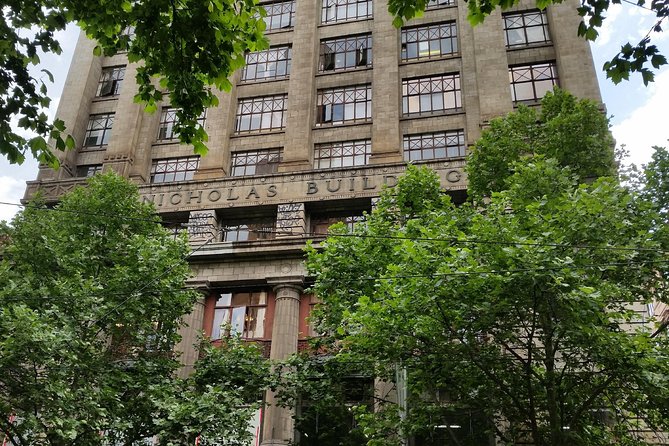
At $64.55 per person, this is not the cheapest way to look at Melbourne’s centre. You can walk past many of the same buildings for free. The question is what you gain by having a guide beside you.
The price makes more sense if you want context, not just landmarks. A self-guided walk may show you Flinders Street Station, Federation Square, or Scots Church, but it will not necessarily tell you which details matter, how the buildings connect to Melbourne’s growth, or which interiors are worth entering. The guide saves you research time and gives the city a clear structure.
The small group limit also adds value. You are paying for a more personal format rather than a large crowd following a flag. If you ask questions or have a particular interest in architectural history, the chance to speak directly with the guide can make the cost worthwhile.
I would be less likely to recommend it to someone who wants a fast list of famous sights or who dislikes walking tours. You are paying for explanation and observation, not admission to a series of major attractions. The experience is strongest when you take time to look carefully and listen.
Who should book this architecture walk?
I would recommend it to first-time visitors who want a practical introduction to Melbourne’s centre, especially if you like learning how a city developed through its buildings. It suits people who enjoy history but prefer to keep moving rather than spend two hours inside a museum.
It is also a good choice for repeat visitors. You may already know the main streets, but a guide can draw your attention to upper floors, entrances, and less obvious buildings that you have passed before. The tour can also help you decide which parts of the CBD deserve a longer return visit.
The experience is less suitable if you need wheelchair access, want an indoor activity in uncertain weather, or have a strict schedule after the walk. It may also feel too introductory if your main interest is technical architectural analysis. The focus is on accessible history, city context, and the stories behind a varied group of buildings.
Book it early in your stay if you can. The walk gives you a useful sense of direction and may change how you see the rest of Melbourne. You can return to buildings that caught your eye, enter places the guide identified, and explore around Bourke Street Mall after the tour.
Should you book the Architecture Tour of Melbourne?
Book this tour if you want Melbourne explained through its buildings, rather than simply photographed. The combination of a small group, several architectural periods, and guides such as San, John, and Kathy gives you a friendly introduction with plenty of room for questions.
At $64.55, the value rests on the guide’s interpretation. If that is what you want, the price is fair for a two-hour, maximum-10-person walk. If you prefer to explore independently, you can see the central landmarks without paying for a tour.
My practical call: book it early in your Melbourne visit if you can manage two hours of walking and the weather looks sound. Wear good shoes, keep your schedule afterward loose, and expect to finish near Bourke Street Mall rather than at a precise final address.
FAQ
Where does the Architecture Tour of Melbourne start?
The tour starts at St Paul’s Cathedral, at 198-206 Flinders Street, Melbourne VIC 3004, Australia.
How long does the tour last?
The walking tour lasts approximately two hours.
Where does the tour finish?
There is no fixed endpoint. The tour finishes roughly near Bourke Street Mall, depending on the group’s size and walking speed.
How many people can join the tour?
The tour has a maximum of 10 travelers per group.
Which places are included?
Named stops include Federation Square, Flinders Street Station, the ANZ Bank Museum, and Scots Church. The guide also visits other buildings in Melbourne’s central area.
Is the tour wheelchair accessible?
No. The tour is not wheelchair accessible.
Do I need to use public transport to reach the meeting point?
No transport is included or required in the tour details. The meeting point is near public transportation at St Paul’s Cathedral on Flinders Street.
What happens if the weather is poor?
If poor weather causes the tour to be canceled, you can choose a different date or receive a full refund.
Can I cancel for a full refund?
Yes. You can cancel at least 24 hours before the experience’s start time for a full refund. Cancellations or changes made less than 24 hours before the start time are not refunded or accepted.
Recently added around Melbourne
- Melbourne: Private Yarra Valley Winery Lunch by Helicopter★ 5.0 · 10 reviews
- Yarra Valley: Bus Wine Tour with Lunch and a Glass of Wine★ 5.0 · 4 reviews
- Yarra Valley Foodie Tour, Devonshire Tea, Cheese and Chocolate★ 5.0 · 10 reviews
- Yarra Valley Guided Bike Tour | Food & Wine Region★ 5.0 · 19 reviews
- Werribee Mansion & Sovereign Hill Tour★ 3.7 · 3 reviews
- Yarra River Half-Day Rafting Experience★ 5.0 · 21 reviews
- From Phillip Island: Wine and Wildlife Tour with Penguin Parade★ 5.0 · 34 reviews
- Whitewater Sports rafting on the Yarra river★ 4.5 · 5 reviews
Tours, compared.
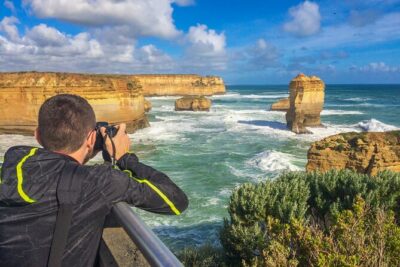
Great Ocean Road Small-Group Eco Tour from Melbourne
Read our review →

Laid back, Yarra Valley Wine Tour: Wine, Cider, Gin, Beer + Choc
Read our review →
Great Ocean Road Reverse Itinerary Boutique Tour – Max 11 Guests
Read our review →
Penguin Parade, & Wildlife Encounters Eco Tour from Melbourne
Read our review →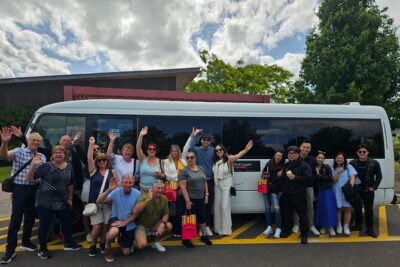
Yarra Valley Wine, Gin, Whisky and Chocolate Tour
Read our review →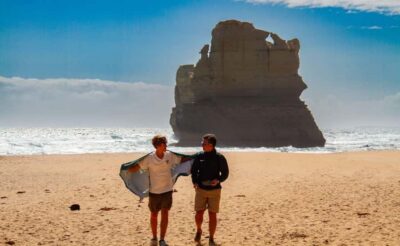
Great Ocean Road Tour w/ Deluxe Minibus & Top-Rated Guide
Read our review →