
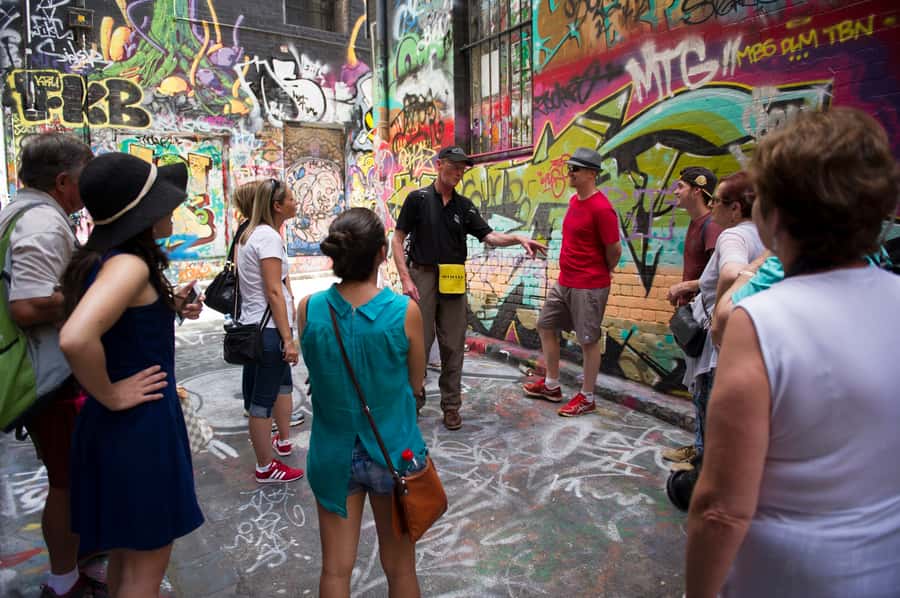
Reviewed · MELBOURNE LANEWAYS AND STREET ART TOURS
Melbourne Laneways Tour
Melbourne’s best stories often sit in narrow lanes between the grand streets. This three-hour walk takes you past street art, old buildings, cafés, galleries, and tucked-away shops, while your guide explains how the city grew from gold rush wealth into Australia’s cultural capital. Guides such as Kathy, John, and San bring different local stories and plenty of practical tips.
I like the small groups of no more than 10, which makes it easier to hear the guide and ask questions. I also like that the coffee stop is built into the walk, giving you a breather without turning the tour into a rushed march. The main consideration is simple: you need comfortable shoes and enough stamina for three hours on foot.
Key points
- Gold rush to street art: Learn how Melbourne’s early wealth shaped its streets, arcades, and buildings.
- Small-group format: Groups are limited to 10, with room for questions and a flexible pace.
- Guides with local character: Kathy, John, San, Sam, and Katie have led tours praised for strong storytelling and city knowledge.
- Coffee included: The stop adds a useful break and a taste of Melbourne’s café culture.
- Easy central meeting point: Start at St Paul’s Cathedral, opposite Federation Square and close to major tram routes.
- Useful early-trip activity: Guides point out restaurants, bars, galleries, shops, and lanes worth returning to later.
Why Melbourne’s lanes are worth three hours
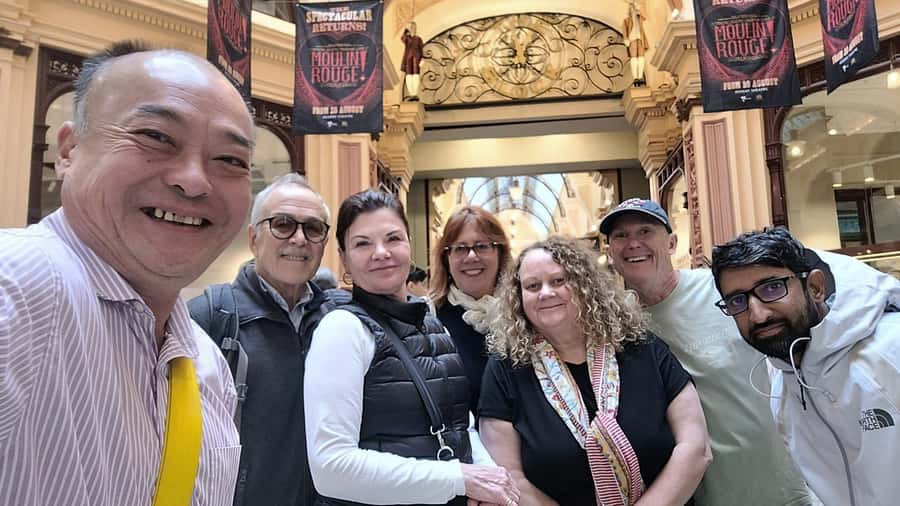
A first walk through Melbourne’s center can feel confusing. The main roads are easy enough to follow, but the narrow lanes, arcades, service alleys, and small courtyards are where much of the city’s personality appears.
This tour gives those spaces a story. Instead of simply photographing painted walls, you learn how the lanes relate to Melbourne’s growth, architecture, businesses, and changing culture. That extra context matters because street art alone can become a quick photo stop. With a guide, the lanes become a record of the city’s past and present.
The route includes a mix of art, architecture, history, shops, cafés, galleries, and small details. You might pass a well-known artwork, a tiny piece of Space Invader art, or a place you would walk past without noticing. One group even encountered a street artist working from a ladder, the kind of moment no fixed sightseeing route can promise but a flexible walking tour can accommodate.
The tour is not just about the famous graffiti lanes. It also introduces quieter lanes, old buildings, arcades, and unusual corners. That broader mix is important. You get a more useful picture of central Melbourne than you would from visiting one popular painted alley and leaving.
More laneway and street art tours in Melbourne:
- Ultimate Melbourne Walking Tour: History, Laneways & Culture
★ 5.0 · 1,451 reviews - Melbourne’s Living Laneway Scene: Local Bars and Their Stories
★ 5.0 · 542 reviews - Original Melbourne Lanes and Arcades Walking Tour
★ 5.0 · 389 reviews
Meeting at St Paul’s Cathedral
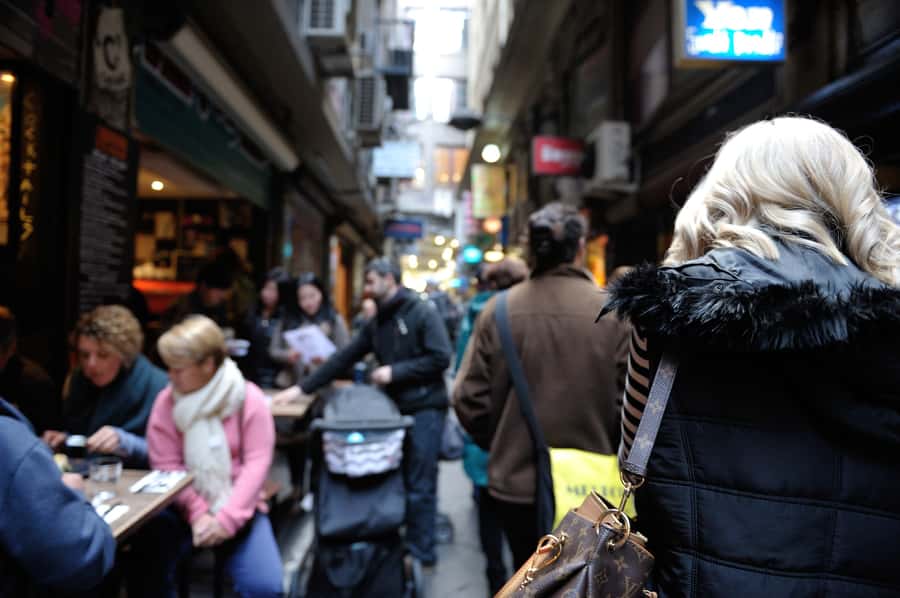
The tour begins at St Paul’s Cathedral, on the corner of Flinders Street and Swanston Street. Meet on the church’s front walkway, between the main entrance on Flinders Street and the side door on Swanston Street.
Look for a guide carrying a blue bag with a yellow sash. This is a practical meeting point near major city sights, so it is easy to combine with other plans. It also gives you an immediate sense of Melbourne’s old and new sides: the cathedral, major roads, city transport, and the lanes beyond are all close together.
Allow a little time to find the exact walkway. The meeting point is specific, and a large intersection can be distracting if you are watching traffic, checking a map, and looking for a guide at the same time. Once the group gathers, the walk moves into the central city on foot.
The tour is conducted in English. Guides named in feedback include Kathy, John, San, Sam, and Katie. The exact guide depends on the date, but the repeated strengths are clear: strong local knowledge, an easy manner, clear explanations, and a willingness to answer questions.
From gold rush money to narrow city lanes
One of the tour’s best features is the way it connects Melbourne’s grand history with its less formal corners. The city’s gold rush era brought wealth, ambition, and rapid growth. That background helps explain why central Melbourne has such a mix of large civic buildings, commercial blocks, arcades, and narrow lanes.
Your guide explains how the lane system developed and how the city changed over time. The stories are not limited to dates and names. They help you understand why some streets feel formal and imposing while the nearby lanes feel compact, creative, and slightly rough around the edges.
You also hear about the birth and growth of Australia in a wider historical setting. The tour places Melbourne’s buildings and streets within that story, so you are not simply looking at façades without context.
I especially like this approach for first-time visitors. You can take photographs on your own, but it is harder to understand what you are seeing. A guide can point out an old architectural feature, explain a lane’s purpose, or connect a building to a larger chapter in Melbourne’s past.
The historical material also suits local residents who assume they already know the city. Several people who had lived in Melbourne, worked in the center, or grown up nearby discovered details they had never noticed. That is a good sign for the depth of the storytelling, although the experience remains accessible to someone seeing Melbourne for the first time.
Street art beyond the obvious photo stop
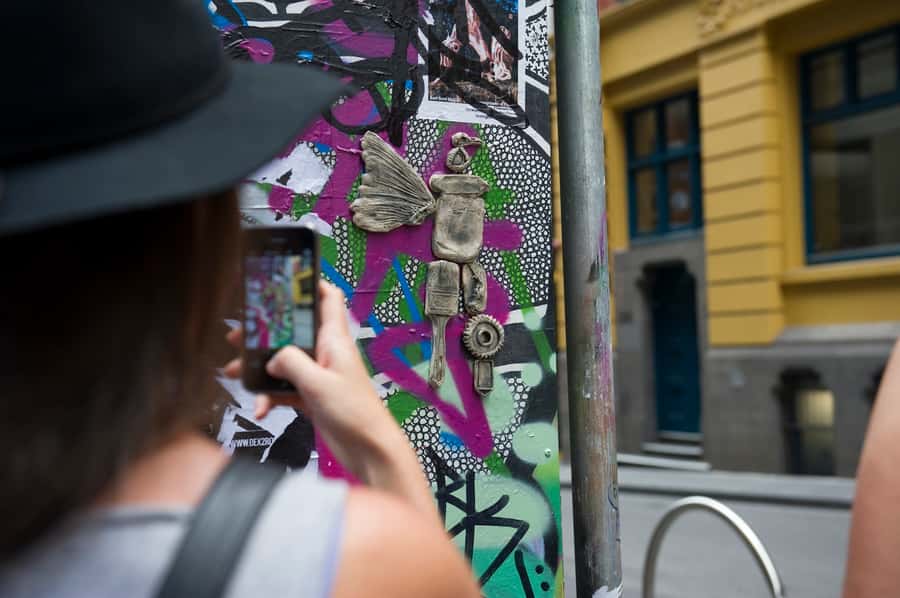
Melbourne’s street art is a major reason many people book this walk. The tour takes you through lanes where the art changes over time, with large painted walls alongside smaller works and details that are easy to miss.
Guides have pointed out Banksy-related art, Space Invader pieces, and other works connected with well-known artists. You should not treat any individual artwork as guaranteed, since street art can change, disappear, or be painted over. The value is in having someone who knows where to look and can explain what makes a particular work worth noticing.
This is also where a small group helps. In a large crowd, you may spend more time trying to hear than looking at the walls. With a maximum of 10 participants, the guide can pause, point out details, and take group photographs at good spots.
The art portion is not presented as a separate museum-style lecture. It sits alongside architecture, local stories, shops, and café culture. That makes the walk feel more like a reading of the city than a checklist of murals.
If you want a tour devoted only to street art technique, artists, and current installations, this may feel too broad. The focus is Melbourne as a whole, with street art as one of its main threads.
A completely different way to spend the day:
- Great Ocean Road Small-Group Eco Tour from Melbourne
★ 5.0 · 6,607 reviews - From Melbourne: Great Ocean Road, 12 Apostles, Wildlife Tour
★ 4.7 · 6,020 reviews - Laid back, Yarra Valley Wine Tour: Wine, Cider, Gin, Beer + Choc
★ 5.0 · 4,552 reviews - Great Ocean Road Reverse Itinerary Boutique Tour – Max 11 Guests
★ 5.0 · 4,186 reviews
Cafés, galleries, and shops tucked off the main roads
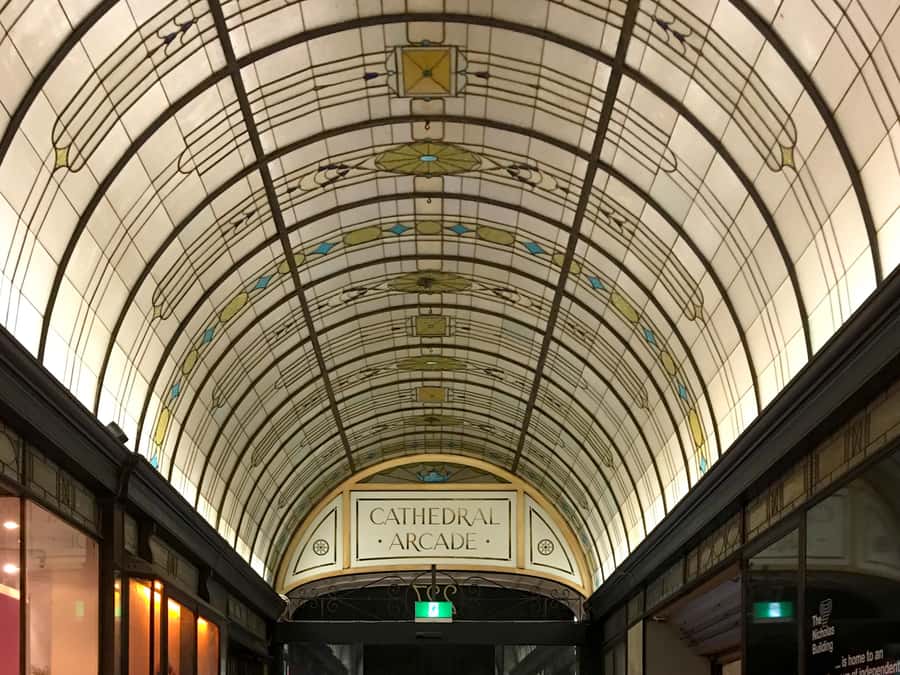
The tour includes a coffee stop, which is more useful than it may sound. Three hours of walking can be tiring, and a café break gives you time to rest, ask questions, and take in the city at a slower pace.
Coffee is also part of Melbourne’s daily culture. The stop gives you a small taste of that scene without requiring a separate café crawl. The exact café is not specified in advance, so you should think of it as a built-in refreshment break rather than a promised visit to one particular famous venue.
Along the way, the guide points out small galleries, unusual shops, restaurants, bars, and other places worth returning to. These recommendations can be one of the most useful parts of the tour. Melbourne’s central lanes can be hard to read from a guidebook because businesses change and entrances are often easy to miss.
Bring your phone or a small notebook if you want to remember recommendations. One person specifically wished for a written list after receiving so many suggestions during the walk. That is a fair practical point: you may hear more places than you can retain, especially while looking at art and listening to history.
The tour does not include a meal. The included coffee is the only stated refreshment, so plan lunch or a longer café visit separately.
Architecture that is easy to miss
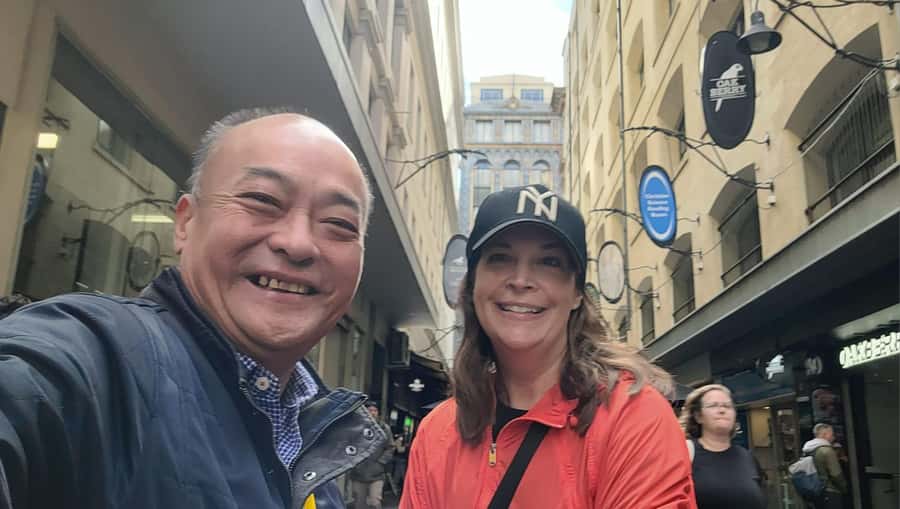
Melbourne’s lanes are not just colorful walls. They also reveal how the city was built and adapted. Your guide discusses old and new architecture, the relationship between major streets and smaller passages, and buildings that you might otherwise pass without a second glance.
This is where the tour earns its price for people who enjoy cities rather than only major attractions. You begin to notice scale, materials, entrances, signs, and the way newer creative uses fit into older structures.
The architecture also adds balance to the street art. Some visitors come expecting graffiti and may be surprised by how much attention goes to buildings and urban development. I see that as a strength, but it is worth knowing before you book.
The walk is a moving lesson rather than a visit inside a museum. You spend most of the time outdoors, and the quality of the experience depends partly on your guide’s ability to tell a clear story in changing street conditions. The guides praised most often, including Kathy, John, and San, are described as easy to hear, engaging, and good at explaining complicated subjects in plain language.
A comfortable pace, with some walking required
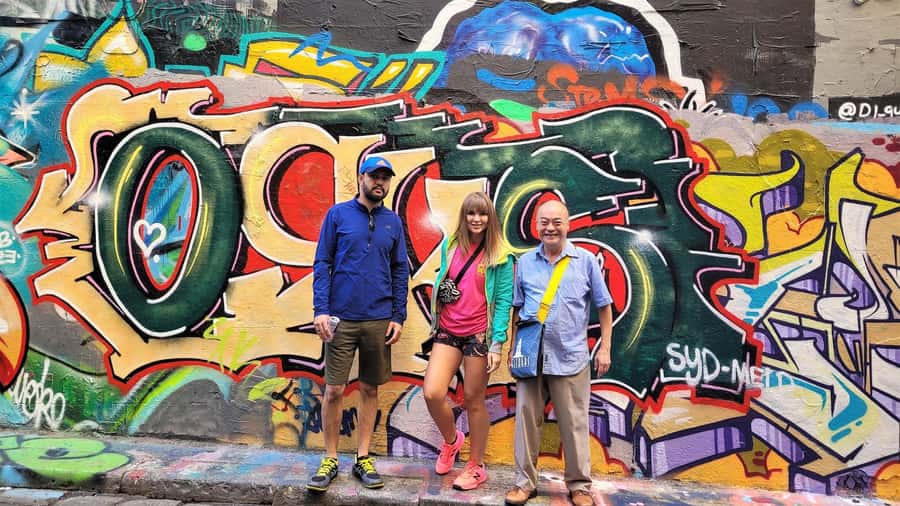
The tour lasts three hours and uses pedestrian crossings on main roads. When crossing smaller lanes, you are expected to watch for your own safety. Melbourne’s lanes can carry service vehicles, bicycles, and other pedestrians, so stay close enough to the group to hear instructions.
The walking is described as manageable rather than strenuous, but you still need suitable footwear. Three hours on pavement can feel long in thin sandals or uncomfortable shoes. Wear something supportive and expect frequent stops rather than a continuous fast walk.
The pace can vary with the group. Guides have been praised for waiting while people take photographs, keeping a steady speed, and adjusting to different needs. Still, you should be prepared to walk for most of the activity.
The tour is listed as wheelchair accessible. People with disabilities and families with children younger than 13 can be catered for on a private tour. If you have an outstanding health issue, tell the guide in advance. All guides hold Level 2 first aid qualifications, but that does not remove the need to explain any condition that could affect your walk.
What the $91 price gets you
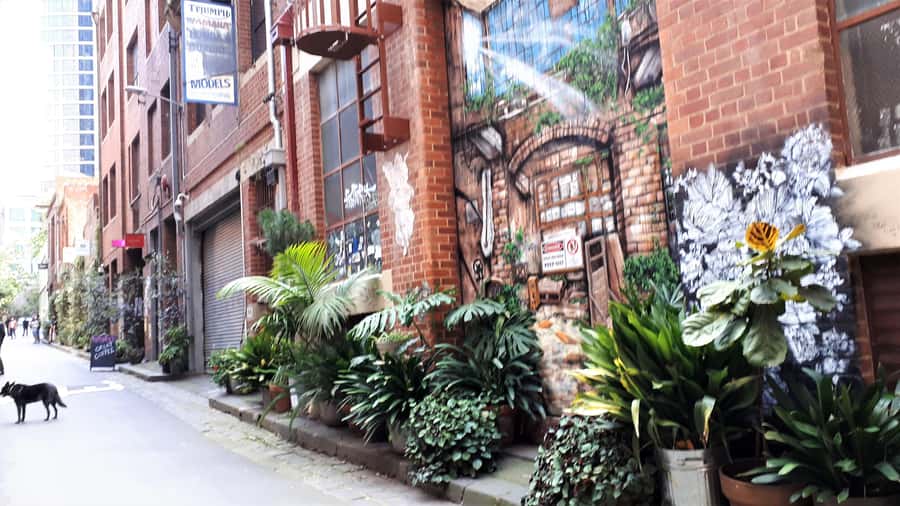
At $91 per person, this is not the cheapest way to see central Melbourne. You can walk through many lanes for free, photograph public art without a ticket, and stop at a café on your own.
The price makes more sense if you value orientation, local explanation, and saved time. A guide helps you find places you could miss, links the lanes to Melbourne’s history, and gives practical ideas for the rest of your stay. You are also paying for a small group, rather than joining a large city walk where questions and conversation can be difficult.
The coffee stop is included, as is the guide. There are no stated meal, transport, gallery admission, or shopping costs, so budget separately for anything you choose to buy along the way.
I think the best value comes from booking early in your Melbourne visit. You can use the guide’s restaurant, bar, gallery, and shopping suggestions afterward, and the walk helps you understand the central grid before exploring alone.
If you already know the city well and mainly want independent street-art photography, $91 may feel high. If you want a clear introduction with stories and local direction, the cost is easier to justify.
Who should book this Melbourne walk
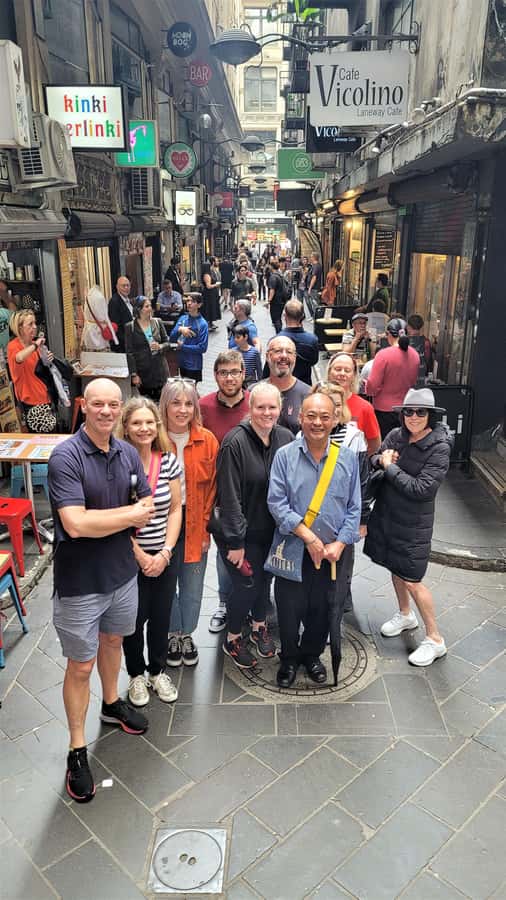
This tour suits first-time visitors who want to get their bearings without spending a full day on a formal sightseeing bus. It is also a good fit for people who enjoy architecture, urban history, café culture, photography, or small creative businesses.
I would recommend it to solo visitors because the group format gives you company without requiring a full-day commitment. It also works for couples, friends, and older children who can manage three hours of walking.
The tour can suit returning visitors too. The lanes change, and a local guide may show you places outside your usual route. The strong response from Melbourne residents and former residents suggests that local familiarity does not guarantee that you have seen the city’s smaller corners.
This is less suitable if you dislike walking, need a fixed indoor itinerary, or want a tour focused on only one topic. It is also not the best choice for families with very young children unless you arrange the private option.
Booking tips for a smoother morning or afternoon
Meet at the exact cathedral walkway, not simply somewhere near St Paul’s Cathedral. Look for the blue bag and yellow sash, and wear shoes you can use comfortably for three hours.
Book this near the start of your stay if you can. Keep your phone ready for recommendations, but do not let photography take over the walk. Some of the best details may be small, and you will get more from the experience if you listen as carefully as you look.
The tour offers free cancellation up to 24 hours before departure, and you can reserve now and pay later. Starting times vary, so check availability for your chosen date.
Should you book the Melbourne Laneways Tour?
Book it if you want more than a quick look at graffiti. The real strength is the combination of street art, city history, architecture, coffee, and useful local suggestions in a small group.
At $91, it is a considered purchase, not a casual add-on. But for a first Melbourne visit, the guide can save you time, help you find lanes you would miss, and give meaning to what you see. Choose it early in your stay, wear good shoes, and arrive ready to walk, listen, and look closely.
FAQ
How long does the Melbourne Laneways Tour last?
The tour lasts three hours.
How much does the tour cost?
The listed price is $91 per person.
Where does the tour meet?
Meet at St Paul’s Cathedral in Melbourne, on the corner of Flinders Street and Swanston Street. The meeting spot is on the front walkway between the main Flinders Street entrance and the side door on Swanston Street.
How can I identify the guide?
The guide will be carrying a blue bag with a yellow sash.
What language is the tour conducted in?
The tour is conducted in English with a live guide.
Is coffee included?
Yes. The tour includes a coffee stop.
How large is the group?
The tour is limited to 10 participants.
Is the tour wheelchair accessible?
The activity is listed as wheelchair accessible. People with disabilities and families with children younger than 13 can be catered for on a private tour.
Recently added around Melbourne
- Melbourne: Private Yarra Valley Winery Lunch by Helicopter★ 5.0 · 10 reviews
- Yarra Valley: Bus Wine Tour with Lunch and a Glass of Wine★ 5.0 · 4 reviews
- Werribee Mansion & Sovereign Hill Tour★ 3.7 · 3 reviews
- Yarra Valley Foodie Tour, Devonshire Tea, Cheese and Chocolate★ 5.0 · 10 reviews
- Yarra Valley Guided Bike Tour | Food & Wine Region★ 5.0 · 19 reviews
- Yarra River Half-Day Rafting Experience★ 5.0 · 21 reviews
- From Phillip Island: Wine and Wildlife Tour with Penguin Parade★ 5.0 · 34 reviews
- Whitewater Sports rafting on the Yarra river★ 4.5 · 5 reviews
Melbourne Laneways and Street Art Tours, compared.
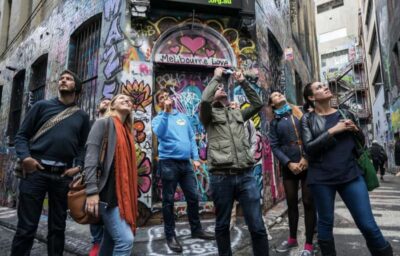
Ultimate Melbourne Walking Tour: History, Laneways & Culture
Read our review →
Melbourne’s Living Laneway Scene: Local Bars and Their Stories
Read our review →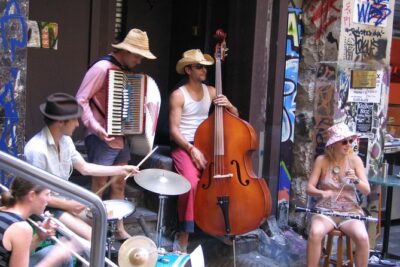
Original Melbourne Lanes and Arcades Walking Tour
Read our review →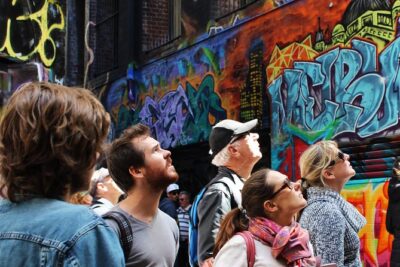
Ultimate Melbourne Walking Tour: History, Laneways & Culture
Read our review →
Melbourne Lanes & Arcades Chocolate and Dessert Walking Tour
Read our review →
Melbourne Food Tour with 8+ Food Tastings in Hidden Laneways
Read our review →
Browse the lists this tour appears in