
Reviewed · WALKING TOURS
Melbourne: Aboriginal Heritage Walking Tour
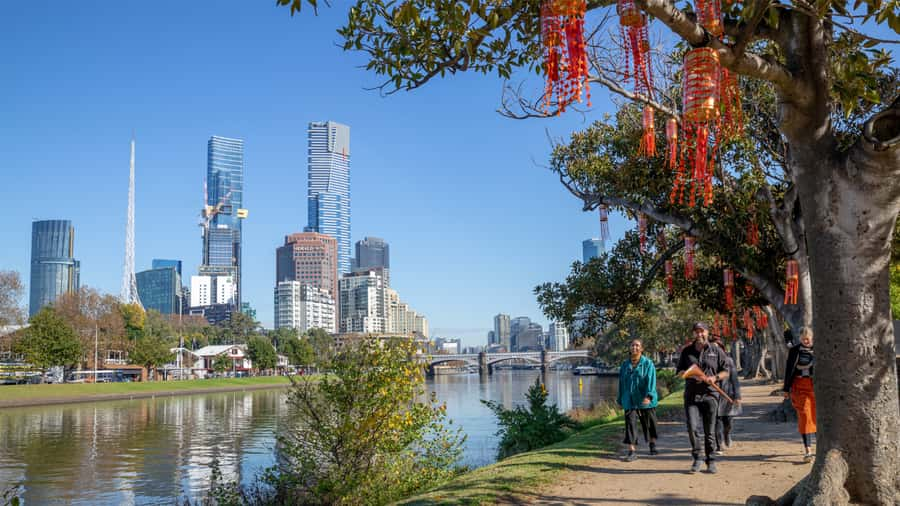
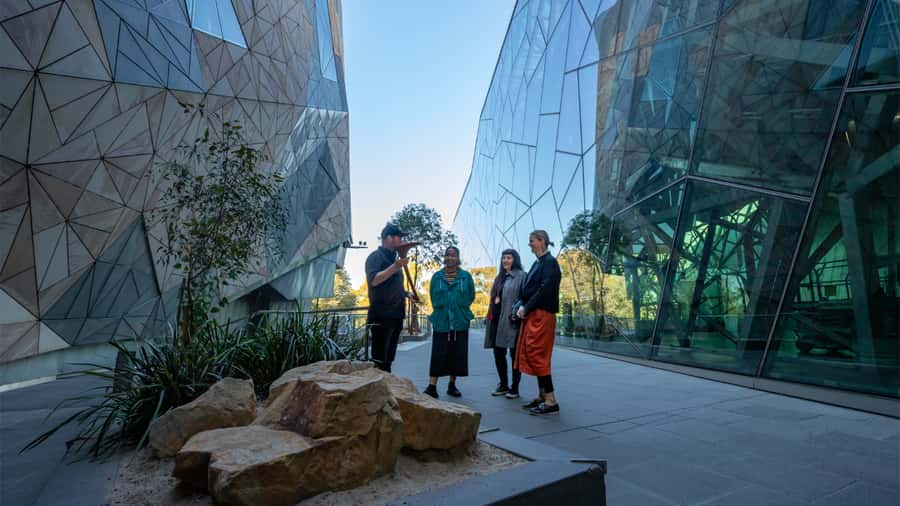
Melbourne’s Aboriginal story comes into focus along the Yarra River, known here as the Birrarung. This one-hour experience links Birrarung Wilam, or River Camp, with the Koorie Heritage Trust, giving you both an outdoor look at Aboriginal art and a close-up encounter with tools, shields, and possum-skin cloaks.
I like the compact format and the small group limit of 10 people. I also like that the tour connects modern Melbourne with the Kulin Nation and the meaning of Birrarung Marr, rather than treating Aboriginal culture as a display behind glass. The main caution is that the walking portion is short, and the quality may depend heavily on the individual guide. A few visitors found the content thin or missed the Trust entirely.
- Birrarung Wilam installations: See Aboriginal art beside the Yarra and learn why this place matters to the Kulin peoples.
- Kulin Nation context: Hear how the area around present-day Melbourne changed over time.
- Hands-on objects: Handle Aboriginal tools, shields, and possum-skin cloaks at the Koorie Heritage Trust.
- One-hour format: A useful cultural introduction that fits neatly into a day of sightseeing.
- Small group size: With no more than 10 participants, questions should be easier to ask.
- Federation Square start: The meeting point is central and easy to combine with other Melbourne sights.
Meeting Aboriginal Melbourne at Federation Square
The tour begins at 1:00 PM at the Koorie Heritage Trust, on Level 1 of The Birrarung Building at Federation Square. Go to reception rather than waiting somewhere outside. This detail matters because Federation Square has several buildings and open spaces, and a clear starting point saves you a needless hunt.
Federation Square is a fitting place to begin. It is one of central Melbourne’s main meeting areas, but the tour asks you to look past the cafés, galleries, and modern architecture to the older cultural story beneath the city.
Your guide leads in English and provides the cultural setting for the walk. No guide names are supplied, so you should not book this expecting a particular presenter. The strongest experiences appear to come from a guide who can explain the subject clearly, answer questions, and make the hands-on part feel connected to the walk.
The group is capped at 10 people. That is a useful size for a cultural tour because you can usually hear the guide and ask about objects without the session turning into a lecture for a crowd. It also means the experience may feel more direct than a large city walking tour.
Birrarung Marr and the meaning of River Camp
From Federation Square, the route heads toward Birrarung Wilam and the nearby Birrarung Marr area. Birrarung Marr means Beside the river of mists, while Birrarung Wilam means River Camp. These names are not just translations for a visitor brochure. They point to the river as a place of meeting, movement, and cultural meaning.
The guide explains the connection between this part of Melbourne and the Kulin Nation, the group of Aboriginal peoples whose traditional country includes the area around present-day Melbourne. You learn how the land has changed over time and why the river remains important to local Kulin peoples.
That setting gives the talk some welcome physical reference. Instead of hearing about Aboriginal culture in an unrelated room, you are standing beside the river and looking at a place tied to the story being explained. I find that kind of context useful, especially if you are new to Melbourne and want to understand the city beyond its Victorian buildings and sports culture.
The route is not a long city walk. One visitor described it as less of a traditional walking tour and more of a cultural, hands-on activity. That is a fair expectation. You should book this for interpretation and contact with objects, not for covering a large section of Melbourne on foot.
The outdoor portion also has practical limits. Bring comfortable shoes, sunscreen, and water. The tour takes place outside, and Melbourne weather can shift quickly. The supplied information does not describe shelter, seating, or the exact length of the route, so sensible clothing is the safest approach.
More historical tours in Melbourne:
- Ultimate Melbourne Walking Tour: History, Laneways & Culture
★ 5.0 · 1,451 reviews - Ultimate Melbourne Walking Tour: History, Laneways & Culture
★ 4.8 · 338 reviews - Aboriginal Heritage Walk – Royal Botanic Gardens Victoria, Melbourne Gardens
★ 5.0 · 314 reviews
Birrarung Wilam’s Aboriginal art installations
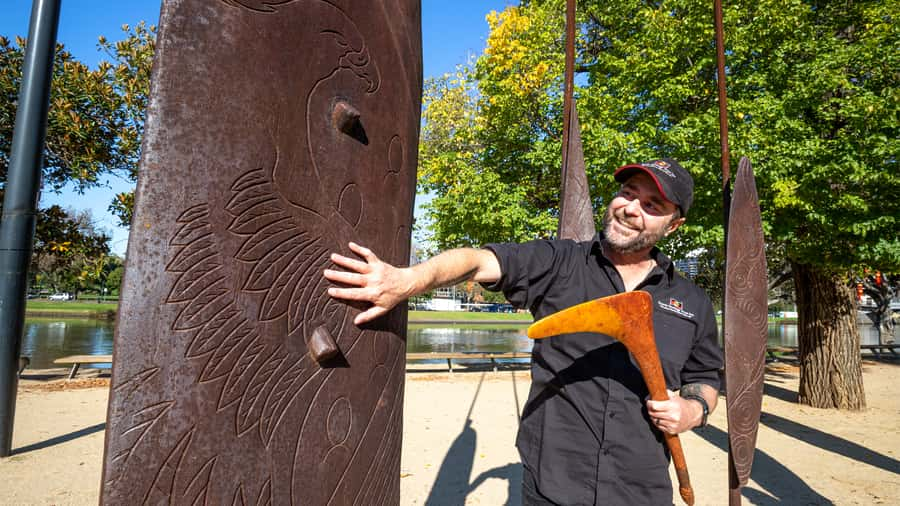
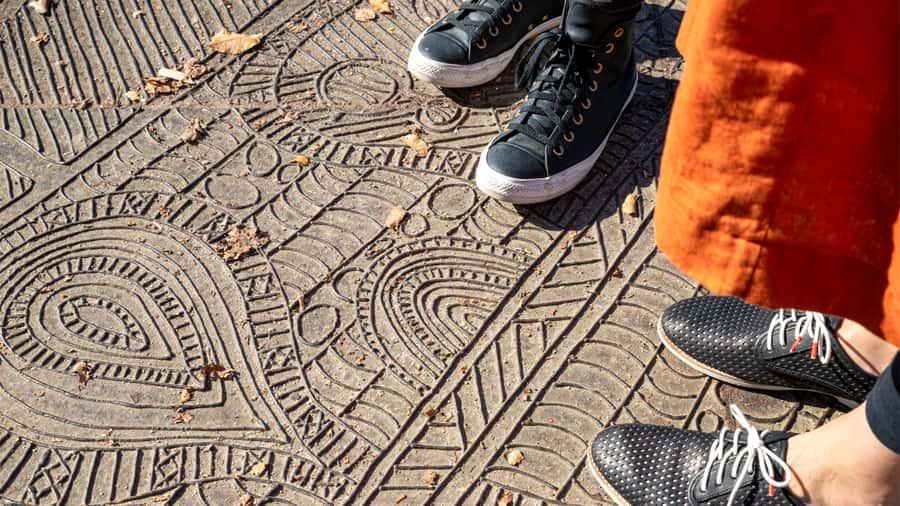
The central outdoor stop is Birrarung Wilam, a series of Aboriginal art installations beside the river. The guide explains what the site means and how it relates to the Kulin peoples. This is likely the most visual part of the experience, giving you something concrete to study while you hear the cultural story.
The value here is not simply the presence of public art. The installations help frame the riverbank as a place with an Aboriginal identity, rather than as a modern recreation area with an art project added later. You are encouraged to consider how public spaces can carry the stories of the people connected to them.
Do not expect an art museum visit or a long gallery stop. The supplied details describe a guided visit to the installations, not a full tour of every work or a specialist art lecture. The experience works best when you pay attention to the links between the art, the river, Birrarung Marr, and the Kulin Nation.
This stop should also help you picture the older character of the area. The guide discusses how the land where Melbourne now sits has changed. The exact historical detail will depend on the presentation, but the stated aim is to show the contrast between the area’s Aboriginal past and the city built around it.
Tools, shields, and possum-skin cloaks at the Trust
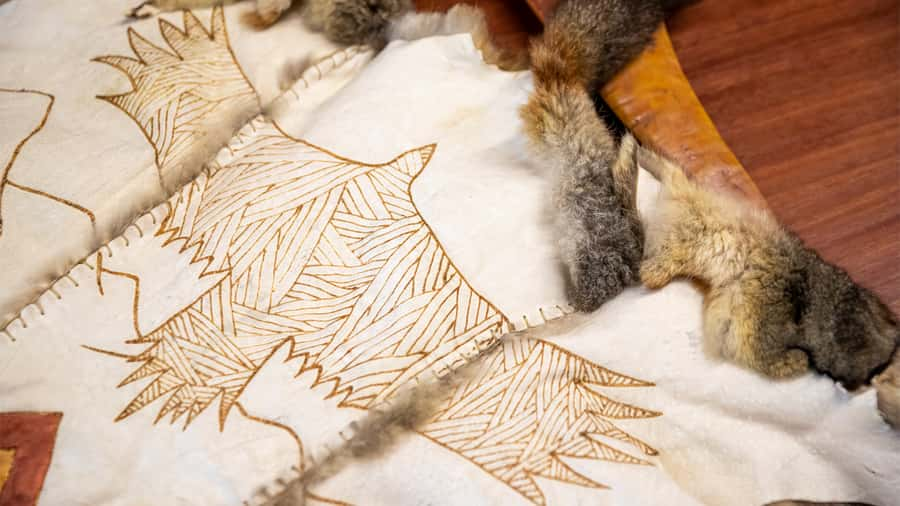
The final part takes place at the Koorie Heritage Trust, where you receive a guided, hands-on introduction to Aboriginal tools and artifacts. The objects include tools, shields, and possum-skin cloaks. This is the part that gives the tour its strongest physical connection to daily life and practical skills.
Hearing that Aboriginal peoples hunted and foraged is one thing. Being able to examine the tools associated with those activities gives the subject more shape. You can consider what an object was made for, how it might have been used, and why materials from the local environment mattered.
The shields and possum-skin cloaks also broaden the session beyond a narrow focus on hunting equipment. They point toward protection, clothing, craft, and the work required to make useful objects. The information provided does not specify every artifact or the exact handling rules, so follow the guide’s instructions and treat the objects with care.
This hands-on section is especially suitable for families and for anyone who learns better by seeing and touching than by listening to a long talk. The activity is listed as suitable for all ages. Children may find the objects more memorable than a standard museum display, while adults can ask questions about materials, use, and cultural meaning.
There is one important practical point: the ticket includes entry to the Koorie Heritage Trust, but one visitor reported that the Trust was not reached during the session. That appears to be a serious failure because the indoor visit is a central part of the experience. When you arrive, confirm that the itinerary includes both Birrarung Wilam and the Trust. If the schedule changes, ask the guide or reception staff for clarification at once.
What the one-hour length really means
At $28 per person, this is priced as a short guided cultural activity rather than a full half-day tour. The cost includes the walk, the cultural presentation, the Birrarung Wilam installations, the hands-on artifact session, and entry to the Koorie Heritage Trust.
I think the value is reasonable if you want a focused introduction and the Trust visit happens as planned. You are paying for a guide, a small group, and access to an experience that combines public art with objects you would not normally handle on a casual walk through Melbourne.
The value becomes weaker if you expect a long route, extensive historical detail, or a broad survey of Aboriginal Australia. One hour leaves little room for a large amount of background. The tour is best seen as a starting point, not a complete education.
The mixed score of 3.1 from seven ratings is worth taking seriously. Some sessions were praised for an enthusiastic presenter who answered questions and made the cultural material engaging. Other feedback described little content, an uncertain presentation, and a missed visit to the Trust. That suggests consistency is the key concern.
A short activity can be excellent when the guide is prepared and the plan is followed. It can feel overpriced when the walking is brief, the explanations are vague, or the final indoor stop is skipped. I would make the booking if the tour fits your schedule, but I would keep your expectations focused and confirm the full route at the start.
More walking tours in Melbourne:
- Great Ocean Road Tour Plus Koalas, Forest Walk and Morning Tea
★ 4.5 · 1,068 reviews - Great Ocean Road 12 Apostles & Rainforest Walk with Morning Tea
★ 4.5 · 549 reviews - Melbourne Foodie Discovery Walking Tour
★ 5.0 · 530 reviews - Original Melbourne Lanes and Arcades Walking Tour
★ 5.0 · 389 reviews
Who will get the most from this experience
This tour suits you if you want a respectful introduction to Melbourne’s Aboriginal heritage without committing to a long museum visit. It is also a good fit if you are already at Federation Square and want an activity that adds cultural context to the river and city center.
Families may appreciate the object handling and the one-hour length. The tour is listed as suitable for all ages, and the limited group size should make it easier for children to stay involved. Comfortable shoes, water, and sunscreen are the only stated items to bring.
It also works for first-time visitors who want to understand place names such as Birrarung Marr and Birrarung Wilam. Once you know what those names mean, you may notice Melbourne’s riverfront differently during the rest of your stay.
You may want to choose something longer if you already know the basic story of the Kulin Nation or want a detailed study of Aboriginal art, colonial change, or local archaeology. The information provided does not promise a long route or a specialist lecture.
The experience is conducted in English. If you need another language, this is not the right choice based on the stated arrangements.
Planning the 1:00 PM start
The tour starts daily at 1:00 PM. That fixed time makes it easy to place before an afternoon visit to another central Melbourne attraction, but it also gives you little flexibility if you arrive late.
Allow enough time to reach Level 1 of The Birrarung Building and check in at reception. The meeting point is the Koorie Heritage Trust at Federation Square, not simply the general Federation Square plaza.
You can cancel up to 24 hours in advance for a full refund, and the reserve-now, pay-later option lets you hold a place without paying immediately. Those policies are useful if your Melbourne plans are still shifting.
The tour lasts one hour, though the actual balance between outdoor walking and indoor objects may vary. Since the experience is small-group and capped at 10, booking ahead is sensible if this particular afternoon matters to you.
My verdict on the cultural value
I like the basic idea because it joins three things that are often separated: the river, the public art, and the physical objects held by a cultural trust. The walk gives the place names meaning, while the Trust gives the cultural discussion something tangible.
The best version of this tour would have a guide who introduces themself clearly, explains the Kulin Nation in plain language, encourages questions, and makes sure the group reaches the Trust. That combination can turn a short city activity into a useful first step toward understanding Melbourne’s Aboriginal heritage.
The main weakness is not the one-hour format itself. It is the risk that the presentation may feel too light for the price, or that the included Trust visit may not happen. Those are not small details because the walking route is short and the indoor collection is part of what you are paying for.
Should you book the Birrarung Wilam Walk?
Book it if you want a concise, central, family-friendly introduction to Aboriginal Melbourne, especially if you value a small group and a hands-on session with tools, shields, and possum-skin cloaks. It offers more cultural substance than simply reading a plaque beside the river.
Before the walk begins, confirm that the plan includes both the Birrarung Wilam installations and entry to the Koorie Heritage Trust. If the guide is engaging and the full itinerary runs, $28 is fair for the combination. If you want a long walk or detailed academic history, choose a longer experience instead.
FAQ
Where does the Aboriginal Heritage Walking Tour meet?
It meets at the Koorie Heritage Trust, Level 1 of The Birrarung Building at Federation Square. Go to reception.
What time does the tour start?
The tour starts daily at 1:00 PM.
How long does the activity last?
The activity lasts one hour.
What language is the tour conducted in?
The live tour guide speaks English.
What is Birrarung Wilam?
Birrarung Wilam means River Camp. It is the area with Aboriginal art installations that you visit during the tour.
What does Birrarung Marr mean?
Birrarung Marr means Beside the river of mists. The guide explains its connection to the river and the Kulin Nation.
What will I see at the Koorie Heritage Trust?
The hands-on session includes Aboriginal tools, shields, and possum-skin cloaks.
How many people are in the group?
The tour is limited to 10 participants.
What should I bring?
Bring comfortable shoes, sunscreen, and water.
Is the activity suitable for children?
Yes. The experience is listed as suitable for all ages.
Can I cancel my booking?
Yes. You can cancel up to 24 hours in advance for a full refund. The reserve-now, pay-later option is also available.
Recently added around Melbourne
- Melbourne: Private Yarra Valley Winery Lunch by Helicopter★ 5.0 · 10 reviews
- Yarra Valley: Bus Wine Tour with Lunch and a Glass of Wine★ 5.0 · 4 reviews
- Werribee Mansion & Sovereign Hill Tour★ 3.7 · 3 reviews
- Yarra Valley Foodie Tour, Devonshire Tea, Cheese and Chocolate★ 5.0 · 10 reviews
- Yarra Valley Guided Bike Tour | Food & Wine Region★ 5.0 · 19 reviews
- Yarra River Half-Day Rafting Experience★ 5.0 · 21 reviews
- From Phillip Island: Wine and Wildlife Tour with Penguin Parade★ 5.0 · 34 reviews
- Whitewater Sports rafting on the Yarra river★ 4.5 · 5 reviews
Walking Tours, compared.
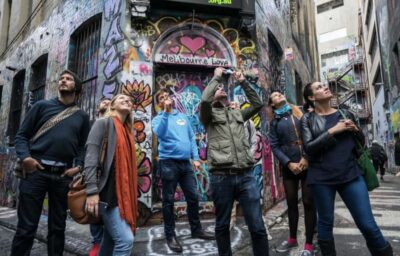
Ultimate Melbourne Walking Tour: History, Laneways & Culture
Read our review →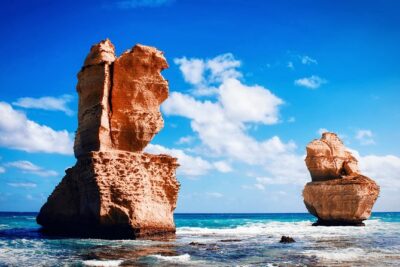
Great Ocean Road Tour Plus Koalas, Forest Walk and Morning Tea
Read our review →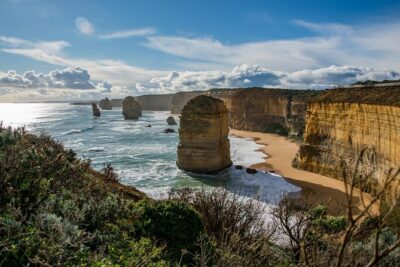
Great Ocean Road 12 Apostles & Rainforest Walk with Morning Tea
Read our review →
Original Melbourne Lanes and Arcades Walking Tour
Read our review →Ultimate Melbourne Walking Tour: History, Laneways & Culture
Read our review →
Aboriginal Heritage Walk – Royal Botanic Gardens Victoria, Melbourne Gardens
Read our review →
Browse the lists this tour appears in