
Reviewed · WALKING TOURS
Icons of Melbourne Walking Tour
Melbourne’s personality is packed into a short walk: a grand library, old churches, coffee counters, street art, hidden bars, and Federation Square. The State Library Victoria makes a fine starting point, but the real appeal is how the tour connects the city’s past with its everyday life today. You hear why the gold rush mattered, how migration shaped café culture, and where Melbourne’s creative side shows itself in public.
I like two things especially. First, the route mixes major sights with smaller details, so you get both Collins Street’s formal Paris End and the rough-edged art of Hosier Lane or ACDC Lane. Second, Rhonda’s local enthusiasm gives the walk a personal feel, with practical suggestions for coffee, restaurants, bars, and later exploring. The main consideration is pace: two hours is enough for an introduction, not a full tour of every building or laneway.
Key points at a glance
- State Library Victoria begins the story: See one of Melbourne’s grandest public buildings while learning about the city’s early years and gold rush.
- Street art has a place on the route: Hosier Lane and ACDC Lane show Melbourne’s taste for bold public art and social commentary.
- St Francis’ Church adds an older layer: Hear the story of Victoria’s oldest Catholic church and the communities that built Melbourne.
- Coffee is part of the history: A café or hidden bar stop links post-war migration with Melbourne’s modern coffee culture.
- Small groups keep the walk personal: The tour is limited to 10 participants and led in English.
- The route ends at Federation Square: Finish near Flinders Street Station, in a useful spot for continuing your day.
Starting beneath the dome at State Library Victoria
Meet near the steps of State Library Victoria on Swanston Street. The nearest train station is Melbourne Central, so the starting point is easy to reach if you are already exploring central Melbourne.
The library gives the tour a strong opening. Its grand dome and elegant reading rooms point to Melbourne’s ambition during the nineteenth century, when the city was growing from a small settlement into a wealthy urban center. You will hear about the founding of Melbourne, its early years, and the gold rush that changed its fortunes.
I like this start because it gives the rest of the walk a clear frame. Buildings, cafés, churches, and laneways are not random stops. They become pieces of a larger story about money, migration, religion, art, and public life.
The library itself is more than a photo stop. Its scale helps you understand how much confidence Melbourne gained during the gold rush years. Allow a few minutes before the tour to take in the exterior and settle into comfortable walking shoes.
More walking tours in Melbourne:
- Ultimate Melbourne Walking Tour: History, Laneways & Culture
★ 5.0 · 1,451 reviews - Great Ocean Road Tour Plus Koalas, Forest Walk and Morning Tea
★ 4.5 · 1,068 reviews - Great Ocean Road 12 Apostles & Rainforest Walk with Morning Tea
★ 4.5 · 549 reviews
From gold rush ambition to Melbourne’s street life
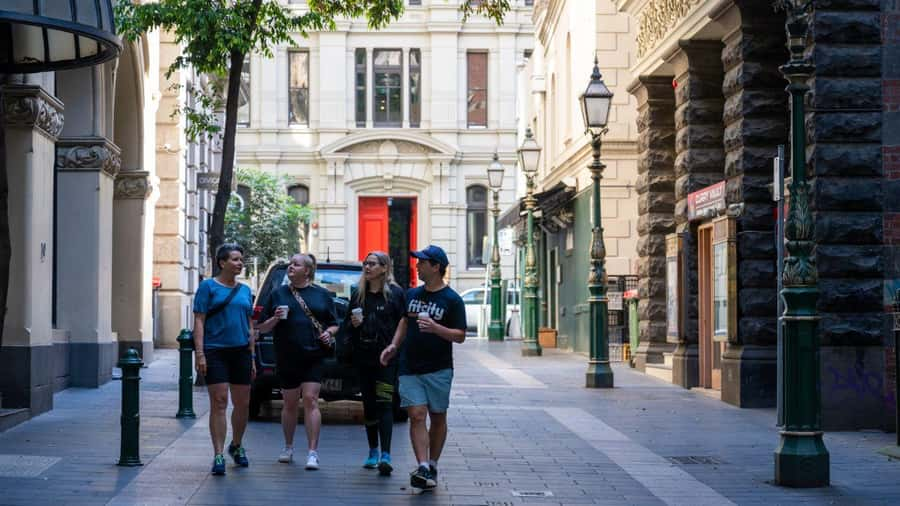
After the library, your guide leads you through a handpicked route of main streets, arcades, and laneways. The point is not simply to count landmarks. You are shown how different parts of the city sit close together, often with a formal nineteenth-century building facing a very modern piece of public art.
The tour brings attention to people who helped shape Melbourne, including activists, artists, entrepreneurs, and everyday figures. This human focus matters. A city can feel like a collection of façades until someone explains who built it, who challenged its rules, and who gave its neighborhoods their character.
Swanston Street provides a useful contrast to the polished areas nearby. It is associated with music, protest, and pop culture, so the street helps explain Melbourne as a place where public expression is part of daily life. You will not just hear about old Melbourne. You will see how the city keeps changing.
St Francis’ Church and Melbourne’s older communities
St Francis’ Church is one of the tour’s more focused historical stops. It is the oldest Catholic church in Victoria, and its presence adds a religious and social layer to the city center.
Your guide explains the stories of the communities connected with churches like this one. That context is useful because it moves the tour beyond architecture. You are not only looking at stone, doors, or decorative details. You are considering the people who worshipped there and the place these buildings held in a growing city.
Church stops will appeal most if you enjoy stories attached to buildings. If you mainly want street art and cafés, this part may feel slower, but it gives the walk needed contrast. Melbourne’s identity did not appear overnight in its laneways. It developed through institutions, migration, faith, commerce, and public debate.
Collins Street’s Paris End and the city’s changing face
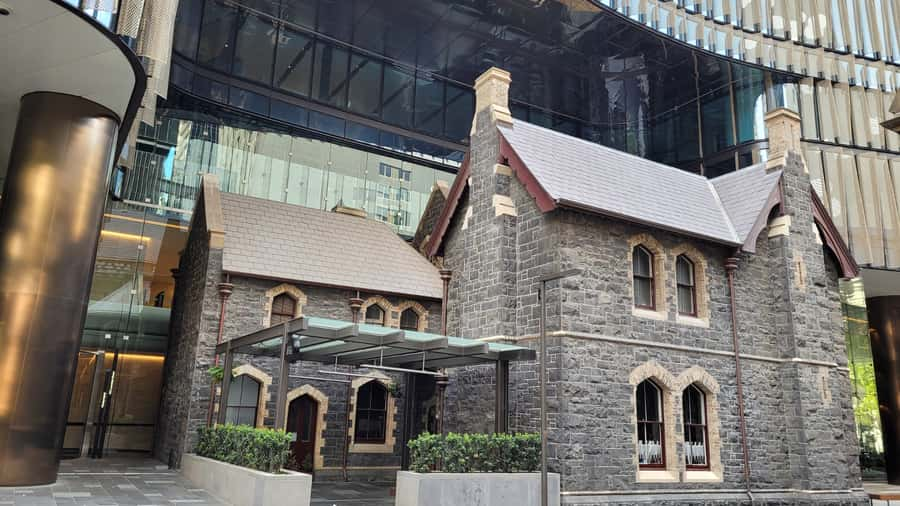
The route includes Collins Street’s Paris End, known for its grander architecture and more formal mood. This is where Melbourne can feel polished and European in character, at least in its building fronts and urban scale.
The pleasure here comes from comparing it with the less formal lanes later in the walk. You can look at preserved heritage buildings, then move toward newer designs that push harder at convention. The tour treats old and new Melbourne as partners rather than opposites.
That approach is one of the walk’s strengths. A short city tour can easily turn into a parade of dates and façades. Here, architecture helps explain how Melbourne presents itself, from nineteenth-century confidence to contemporary experimentation.
Still, remember that this is a walking overview. You will hear useful context, but you should not expect long interior visits at every building. The value lies in seeing the relationships between places and knowing what deserves a closer look later.
A completely different way to spend the day:
- Great Ocean Road Small-Group Eco Tour from Melbourne
★ 5.0 · 6,607 reviews - From Melbourne: Great Ocean Road, 12 Apostles, Wildlife Tour
★ 4.7 · 6,020 reviews - Laid back, Yarra Valley Wine Tour: Wine, Cider, Gin, Beer + Choc
★ 5.0 · 4,552 reviews - Great Ocean Road Reverse Itinerary Boutique Tour – Max 11 Guests
★ 5.0 · 4,186 reviews
Laneways where art takes over the walls
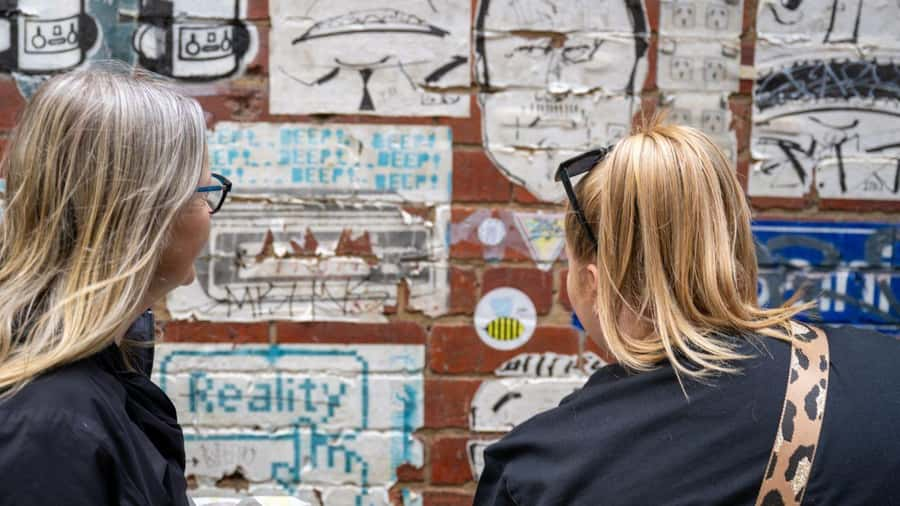
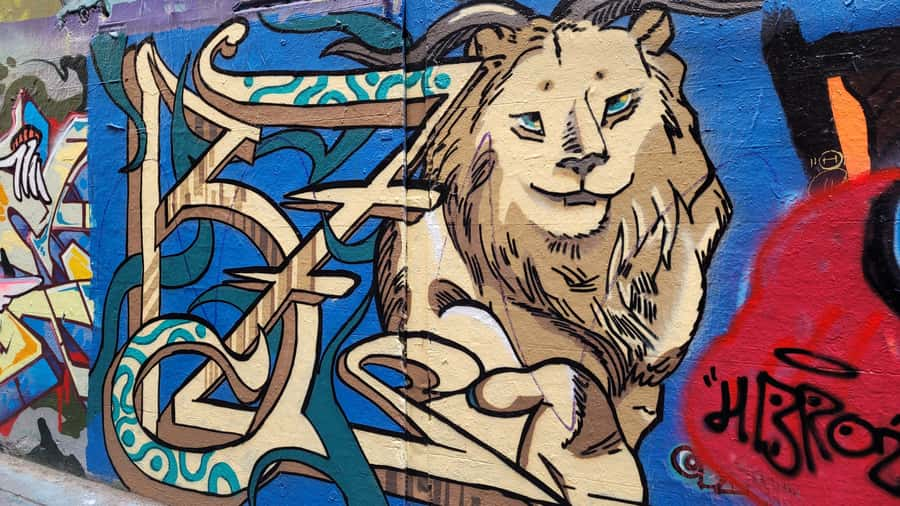
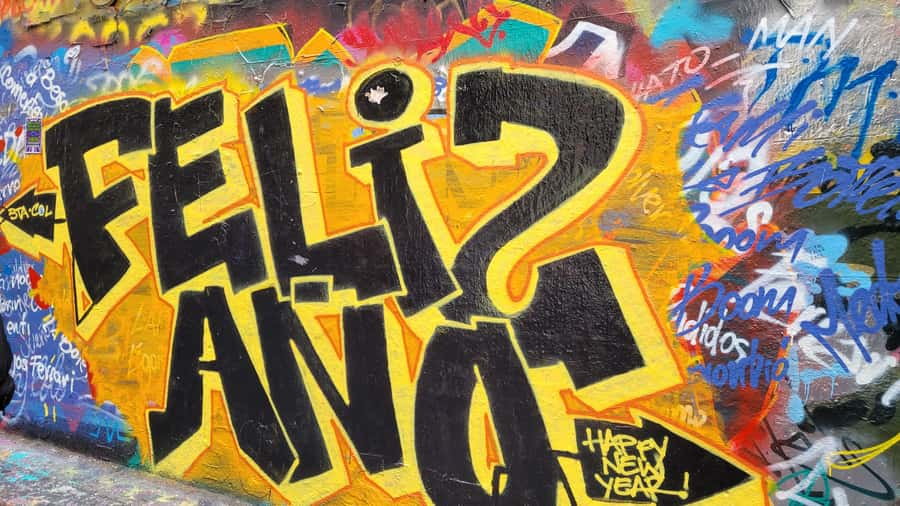
Street art is one of the most appealing parts of the route. In lanes such as Hosier Lane and ACDC Lane, large-scale paintings and smaller works sit across walls, doorways, and service areas. These places show Melbourne’s fondness for public creativity and its willingness to give different voices room in the city center.
Your guide adds meaning to what you see, including the role of art as social commentary. That makes the lanes more than colorful backdrops for photographs. You begin to notice how the art changes the feeling of a narrow passage and how quickly the work can be replaced or altered.
Hosier Lane is likely to be busy, and the lanes are not quiet galleries. You may need to pause at the edge rather than stop in the middle, especially when other people are passing through. Comfortable shoes help here, since the route includes ordinary city surfaces rather than a smooth museum floor.
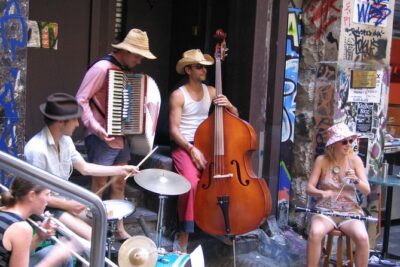
ACDC Lane adds a different note, with its strong musical identity and gritty visual style. These lanes are useful reminders that Melbourne’s character is not confined to official attractions. Some of the city’s most memorable scenes appear in spaces built for deliveries, shortcuts, and service access.
Coffee, cafés, and a practical stop along the way
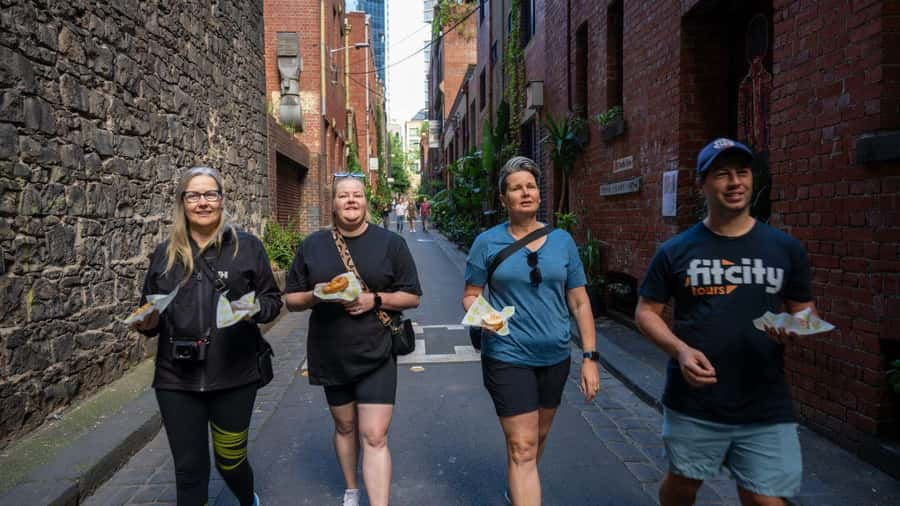
Melbourne’s café culture gets its own place on the tour. You stop at a local café or hidden bar while learning how the city became known for coffee, from post-war migration through the rise of third-wave roasting.
This is a valuable piece of context because coffee is not just a tourist theme here. It reflects wider changes in Melbourne, including new communities, changing tastes, and the growth of independent food culture. The stop helps connect the city’s social history with something you can experience during the rest of your stay.
The supplied details do not promise a particular café, drink, or included tasting, so plan on the stop mainly as part of the guided story. If you want to order something, carry a payment method, but do not assume food or coffee is included in the $68 price.
The practical payoff is strong. Your guide shares ideas about where to eat and drink after the walk, which can save you from choosing a café at random. Rhonda is praised for giving useful recommendations, and that local guidance may be worth as much as the formal sightseeing for a first visit.
What the guide adds to the two-hour route
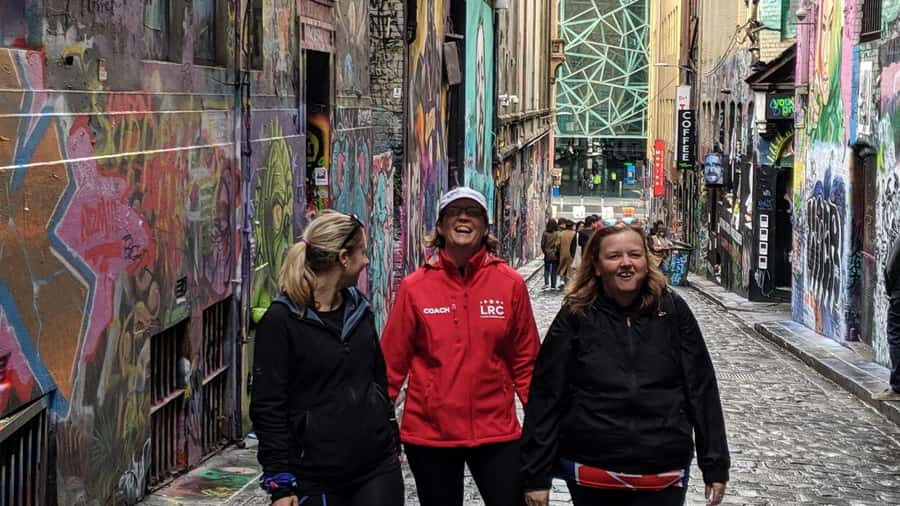
A short walk depends heavily on the guide. The route covers architecture, churches, history, street art, coffee, folklore, and influential Melburnians, so a flat delivery would make it feel crowded.
Rhonda has led the experience with a friendly, funny, engaging manner and a clear love for Melbourne. Her style is reported to work for a mixed-age group, including teenagers and adults, which suggests the tour does not rely only on academic detail.
That balance is important. You get enough history to understand the city, but the walk also leaves room for art, food, and local character. I would choose this tour over a strictly chronological city lecture if you want ideas for the rest of your visit.
The group limit of 10 participants also matters. A small group makes it easier to hear in city streets and ask questions without holding up a large crowd. It does not guarantee a private experience, but it gives the guide a better chance to respond to your interests.
Ending at Federation Square beside the river district
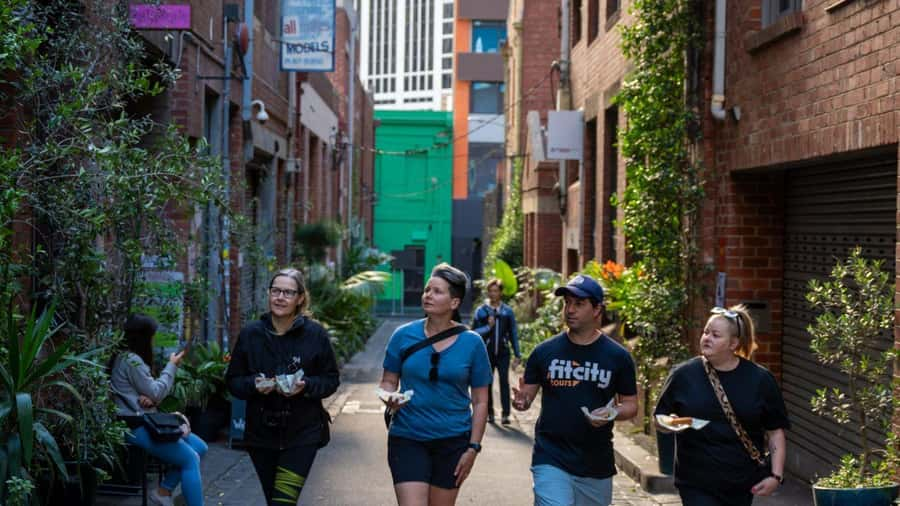
The tour finishes at Federation Square, at the corner of Swanston and Flinders Streets. This is a practical endpoint, with Flinders Street Station nearby and plenty of options for continuing your afternoon.
Federation Square fits the tour’s theme. It is a modern cultural precinct that looks forward rather than back, so the route ends by shifting from colonial beginnings and gold rush wealth to contemporary design and public culture.
From here, you can easily continue exploring central Melbourne, find a meal, or use the nearby station. The end point also makes the tour useful early in your stay. You finish with a better sense of where the central streets connect and which areas deserve a return visit.
One small limitation is that the tour ends in a busy central area rather than returning you to the starting point. That is convenient for further sightseeing, but you should plan your route home if you need to collect a bag or return to a hotel outside the center.
Is $68 a fair price for two hours?
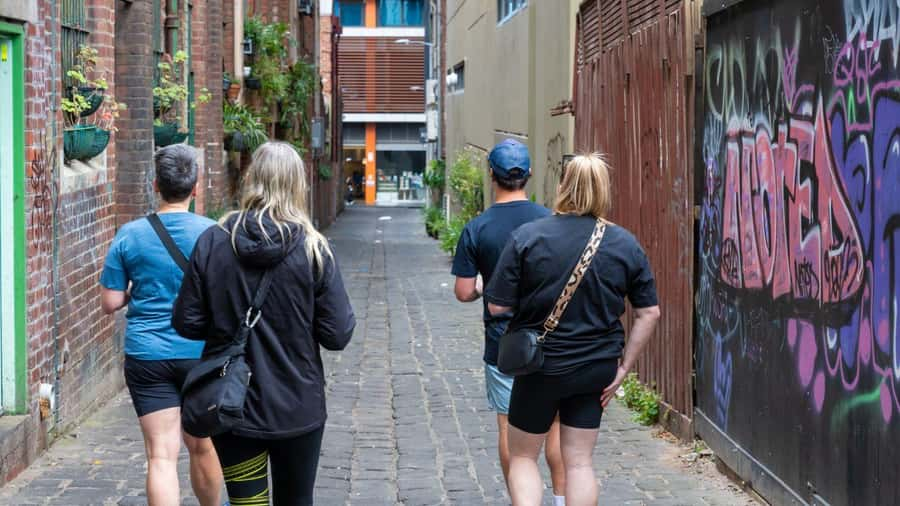
At $68 per person, this is not the cheapest way to walk around central Melbourne. You can see some exterior sights for free, and street art lanes cost nothing to enter.
The value comes from the connections. You are paying for a local guide, a planned route, stories about people and communities, access to photos taken during the tour, and suggestions for where to eat and drink afterward. If you would otherwise spend two hours wandering without knowing what you are seeing, the price is reasonable.
The small group helps justify the cost. With no more than 10 people, the walk should feel more personal than a large city tour. The guide can answer questions and adjust the emphasis slightly, though the fixed two-hour duration means the route still has to keep moving.
I would see this as an orientation tour rather than a complete Melbourne experience. It is especially good value on your first day in the city, when practical local advice can shape the rest of your visit. If you already know central Melbourne well, the appeal rests more on Rhonda’s stories and the chance to look at familiar places differently.
Who will enjoy this walk most?
I would recommend the tour to first-time visitors who want more than a checklist of buildings. It suits people interested in architecture, urban history, churches, public art, cafés, and local personalities.
It also works for families with older children and young adults. The mix keeps the walk moving between topics, and the art and café material provide a break from dates and historical names. The experience is in English, so you should be comfortable following a live English-language explanation.
Local residents can also get value from it. The tour is designed to uncover places and stories that are easy to miss on a normal trip through the city center. Several hours in a familiar city can feel different when someone points out the details you usually pass.
You should think twice if you dislike walking in all weather or want long indoor visits. Tours operate rain or shine, and there are no storage facilities for bags. Wear suitable shoes, carry water, and dress for Melbourne’s conditions.
The tour is wheelchair accessible, but the provider asks people with specific access needs to make contact in advance. That is sensible for a route through busy streets and laneways, where conditions can vary.
How to prepare for the best two hours
Arrive near the State Library steps on Swanston Street with enough time to find the meeting point. Melbourne Central is the nearest train station to the start, while Flinders Street is closest to the finish.
Keep your luggage to a minimum. There is no bag storage, and a large suitcase will make laneways and city footpaths harder to manage.
Bring a refillable water bottle. Water refill stations are available along the route, which is useful on a warm day.
Dress for the forecast rather than the season alone. The tour runs in rain as well as sunshine, so a light rain layer can matter more than a carefully planned outfit.
You can cancel up to 24 hours ahead for a full refund, and reserve now while paying later. Those options make it easier to place the walk early in your schedule without locking every detail into place.
Should you book the Icons of Melbourne Walking Tour?
Book it if you want a compact introduction to Melbourne that joins the big story to the small details. The mix of State Library Victoria, St Francis’ Church, Collins Street, Swanston Street, street art, coffee culture, and Federation Square gives you a useful first map of the city.
The best reason to choose it is the local perspective. Rhonda’s friendly delivery and practical food and drink advice appear to be central to the experience, and the small group keeps the walk from feeling anonymous.
Skip it if you want a museum-heavy tour, a long food tasting, or a quiet route away from central city crowds. For $68, the tour earns its price through interpretation and orientation rather than included admissions or a substantial meal.
For most first-time visitors, I would schedule it near the beginning of a Melbourne stay. You will finish at Federation Square with a better sense of the city’s past, its creative habits, and where to spend the next few hours.
FAQ
Where does the Icons of Melbourne Walking Tour begin?
The tour begins near the steps of State Library Victoria on Swanston Street. Melbourne Central is the nearest train station to the meeting point.
Where does the walking tour finish?
The tour concludes at Federation Square, at the corner of Swanston and Flinders Streets. Flinders Street Station is the nearest station to the finish.
How long is the tour?
The tour lasts two hours. Starting times vary, so check availability when booking.
How large is the group?
The tour is limited to 10 participants, making it a small-group experience.
Is the tour wheelchair accessible?
Yes, the tour is wheelchair accessible. If you have specific accessibility needs, contact the provider in advance to discuss arrangements.
What happens if the weather is bad?
The tour operates rain or shine. Wear suitable clothing and footwear, and bring a water bottle. There are refill stations along the route.
Recently added around Melbourne
- Melbourne: Private Yarra Valley Winery Lunch by Helicopter★ 5.0 · 10 reviews
- Yarra Valley: Bus Wine Tour with Lunch and a Glass of Wine★ 5.0 · 4 reviews
- Yarra Valley Foodie Tour, Devonshire Tea, Cheese and Chocolate★ 5.0 · 10 reviews
- Yarra Valley Guided Bike Tour | Food & Wine Region★ 5.0 · 19 reviews
- Werribee Mansion & Sovereign Hill Tour★ 3.7 · 3 reviews
- Yarra River Half-Day Rafting Experience★ 5.0 · 21 reviews
- From Phillip Island: Wine and Wildlife Tour with Penguin Parade★ 5.0 · 34 reviews
- Whitewater Sports rafting on the Yarra river★ 4.5 · 5 reviews
Walking Tours, compared.
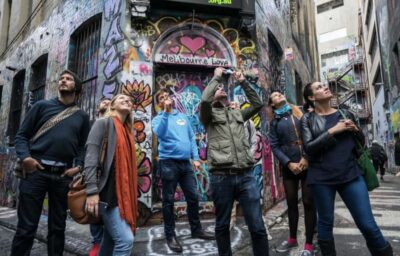
Ultimate Melbourne Walking Tour: History, Laneways & Culture
Read our review →
Great Ocean Road Tour Plus Koalas, Forest Walk and Morning Tea
Read our review →
Great Ocean Road 12 Apostles & Rainforest Walk with Morning Tea
Read our review →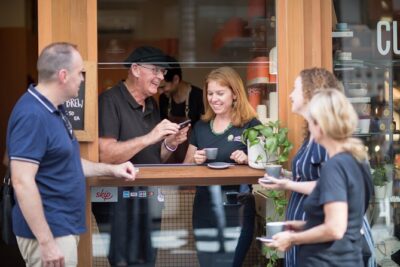
Original Melbourne Lanes and Arcades Walking Tour
Read our review →Ultimate Melbourne Walking Tour: History, Laneways & Culture
Read our review →
Aboriginal Heritage Walk – Royal Botanic Gardens Victoria, Melbourne Gardens
Read our review →
Browse the lists this tour appears in